Commercial Kitchen Refrigeration in New Orleans: What Restaurant Owners Must Know
New Orleans' world-class restaurant scene depends on reliable commercial refrigeration. NOLA HVAC Pro explains the unique challenges facing food service operators in our climate and how to prevent costly equipment failures.
Commercial Kitchen Refrigeration for New Orleans Restaurants
New Orleans is one of America's great dining cities, and behind every great kitchen is a reliable commercial refrigeration system. Walk-in coolers, reach-in units, ice machines, and blast chillers all require expert installation, maintenance, and repair — especially in Louisiana's extreme heat and humidity.
Why Commercial Refrigeration Fails Faster in New Orleans
High ambient temperatures force compressors to work harder, shortening equipment lifespan by 20–30% compared to cooler climates. Our commercial refrigeration team specializes in the unique demands of New Orleans restaurant kitchens, from the French Quarter to Mid-City.
Walk-In Cooler and Freezer Repair
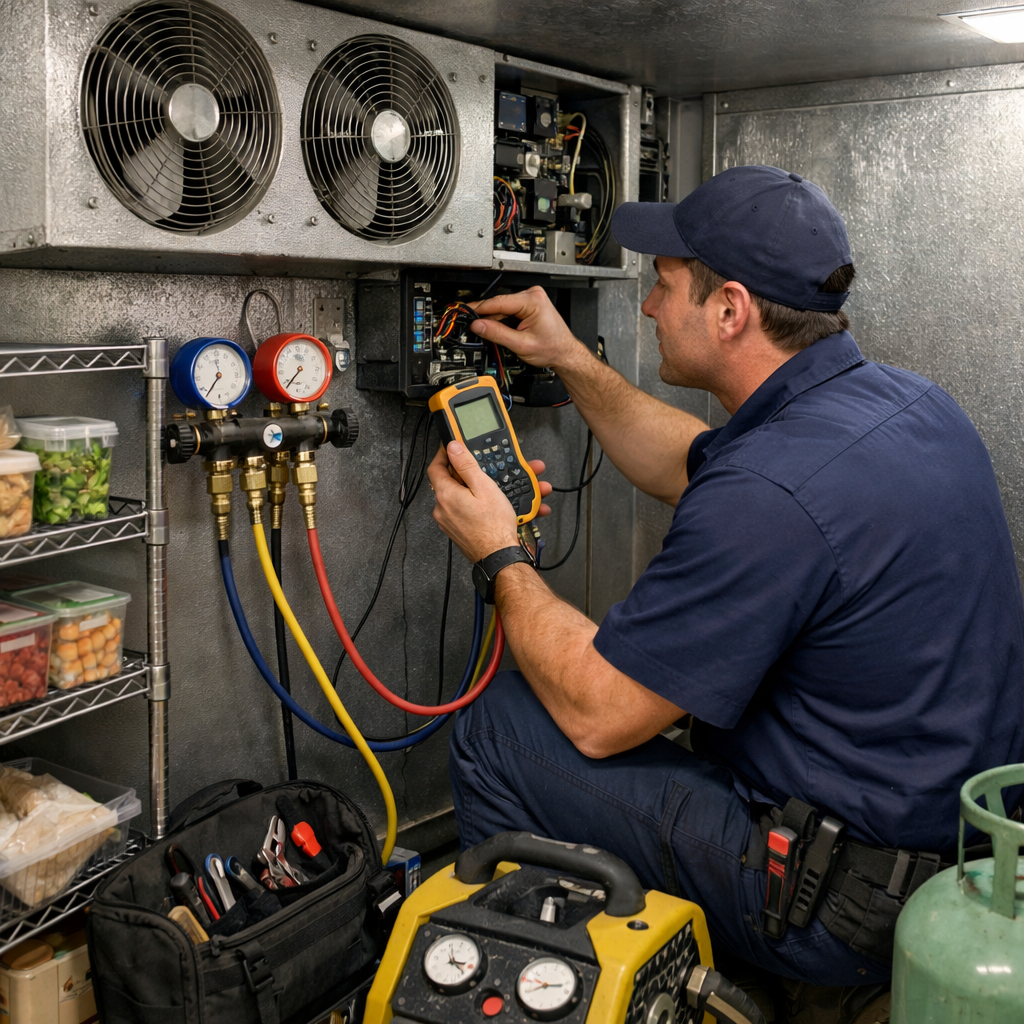
Walk-in failures during a dinner rush can cost thousands in lost product and revenue. We offer 24/7 emergency HVAC and refrigeration service with a guaranteed 2-hour response time for commercial clients. Our restaurant HVAC page covers the full scope of services we provide for food service operations.
Ice Machine Maintenance and Repair
Ice machines are among the most maintenance-intensive pieces of kitchen equipment. Scale buildup, mold, and refrigerant leaks are common in New Orleans' hard water and humid environment. We service all major brands and offer quarterly preventive maintenance contracts.
Related Resources
For New Orleans restaurant owners, understanding commercial kitchen refrigeration is paramount to ensuring food safety, operational efficiency, and compliance with stringent health codes. The city's unique climate, characterized by intense heat and humidity, places exceptional demands on refrigeration systems, making regular maintenance and informed decision-making critical to prevent costly breakdowns, food spoilage, and potential regulatory penalties. This guide provides essential insights into managing your commercial refrigeration effectively in the challenging New Orleans environment.The Unique Challenges of Commercial Refrigeration in New Orleans
Operating a restaurant in New Orleans means contending with a climate unlike almost anywhere else in the United States. This environment presents specific, amplified challenges for commercial refrigeration systems that must be understood and proactively managed.
Battling the Gulf Coast Heat and Humidity
The relentless heat and oppressive humidity of the Gulf Coast are perhaps the most significant adversaries for commercial refrigeration in New Orleans. High ambient temperatures force compressors to work harder and longer, increasing energy consumption and accelerating wear and tear. Humidity, on the other hand, can lead to excessive frost buildup on evaporator coils, reducing cooling efficiency and potentially causing drain lines to clog. This constant battle against the elements means that a refrigeration system designed for a drier, cooler climate will simply not suffice here. Our 17 years of experience serving the Greater New Orleans area have shown us that systems must be robust, properly sized, and meticulously maintained to withstand these conditions.
The Impact of Salt Air and Hurricane Season
Beyond heat and humidity, New Orleans' proximity to the coast introduces another corrosive element: salt air. This airborne salinity can accelerate the corrosion of metal components, particularly condenser coils and electrical connections, leading to premature system failure. Furthermore, the annual hurricane season brings with it the risk of power outages, flooding, and extreme weather events that can severely impact refrigeration. Restaurants in areas like the French Quarter, Bywater, or the Garden District, often housed in historic buildings with unique infrastructure, require specialized attention to ensure their refrigeration systems are not only functional but also resilient against these environmental threats. Preparing for hurricane season involves not just securing your premises but also ensuring your refrigeration can handle potential disruptions, perhaps through backup power solutions or enhanced insulation.
Health Code Compliance: A Non-Negotiable in NOLA
New Orleans health codes are rigorously enforced, especially concerning food temperature control. For restaurant owners, maintaining precise temperatures in refrigerators and freezers is not just good practice; it's a legal requirement. Failure to comply can result in hefty fines, temporary closure, and severe damage to your establishment's reputation. The Louisiana Department of Health (LDH) conducts regular inspections, focusing heavily on proper food storage temperatures. In a city renowned for its culinary scene, from the bustling kitchens of the Central Business District to the neighborhood eateries in Mid-City, health code violations related to refrigeration are simply unacceptable. Understanding and adhering to these regulations is a foundational aspect of operating a successful restaurant here.
Common Commercial Refrigeration Failures and Their Causes
Even the most robust commercial refrigeration systems can encounter issues. Recognizing the common failure points and their underlying causes is crucial for swift diagnosis and repair, minimizing downtime and food loss.
Compressor Overload and Refrigerant Leaks
The compressor is the heart of your refrigeration system. In New Orleans' high temperatures, compressors are under constant strain, making them susceptible to overload. This often manifests as the unit running continuously without achieving desired temperatures, or cycling on and off too frequently. Overload can be caused by dirty condenser coils, insufficient airflow, or an undersized unit for the load. Refrigerant leaks are another frequent culprit, leading to a gradual loss of cooling capacity. A tell-tale sign is a system that runs but doesn't cool, often accompanied by a hissing sound or ice buildup on the evaporator coil. Leaks can occur in various parts of the system, from tubing to seals, and require professional detection and repair by a licensed technician, like those at New Orleans Mechanical Pros (LA #75402).
Electrical Issues and Component Wear
Electrical problems are a common source of refrigeration headaches. Faulty wiring, tripped breakers, or issues with thermostats and control boards can all lead to system malfunctions. In a humid environment, electrical components are more prone to corrosion and short circuits. Beyond electrical, mechanical components like evaporator and condenser fan motors, door gaskets, and defrost timers are subject to wear and tear. Worn-out door gaskets, for instance, allow warm, humid air to infiltrate the unit, forcing the compressor to work harder and leading to increased energy consumption and potential breakdowns. Regular inspections can identify these issues before they escalate into major failures.
The Role of Proper Installation and Sizing
Many refrigeration problems can be traced back to improper installation or incorrect sizing. An undersized unit will struggle to maintain temperatures in a busy New Orleans kitchen, especially during peak hours or in areas like the Warehouse District where kitchens can be intensely hot. Conversely, an oversized unit might short-cycle, leading to inefficient operation and premature wear. Proper installation involves meticulous attention to detail, including correct refrigerant charge, adequate ventilation, and secure electrical connections. Our NATE-certified technicians ensure that every installation meets the highest industry standards, tailored to the specific demands of your New Orleans restaurant.
Proactive Maintenance: Your Best Defense Against Downtime
In the demanding New Orleans culinary landscape, proactive maintenance is not a luxury; it's an absolute necessity. A well-maintained refrigeration system is more reliable, energy-efficient, and less prone to unexpected breakdowns.
Essential Daily and Weekly Checks
Restaurant staff can play a vital role in daily and weekly maintenance. Simple checks include ensuring doors seal properly, cleaning visible spills, and monitoring temperature gauges. Weekly tasks should involve wiping down exterior surfaces, checking for unusual noises or odors, and ensuring that air vents are not obstructed. For walk-in coolers, regularly inspect door hinges and latches. These small, consistent efforts can identify minor issues before they escalate, saving significant repair costs and preventing food spoilage. For example, a quick check of the thermometer can alert you to a problem before temperatures rise above the critical 40°F mark.
The Importance of Professional Bi-Annual Servicing
While daily checks are important, they cannot replace professional servicing. We recommend bi-annual (every six months) professional maintenance for all commercial refrigeration units in New Orleans. During these visits, our LA #75402 licensed technicians perform comprehensive inspections, including cleaning condenser coils, checking refrigerant levels, inspecting electrical connections, calibrating thermostats, and verifying drain line functionality. This preventative approach, especially before the peak summer heat, can extend the lifespan of your equipment by several years and reduce energy consumption by up to 15-20%. Consider it an investment that pays for itself in reliability and efficiency. Learn more about our commercial refrigeration services.
Why NATE-Certified Technicians Make a Difference
When it comes to complex commercial refrigeration, the expertise of your service provider matters immensely. NATE (North American Technician Excellence) certification signifies that a technician has met the highest industry standards for knowledge and skill. Our NATE-certified technicians are specifically trained to handle the intricacies of commercial systems, understanding the unique challenges posed by the New Orleans climate. This expertise ensures accurate diagnostics, efficient repairs, and optimal system performance, giving you peace of mind that your valuable equipment is in capable hands. Don't trust your critical refrigeration to just anyone; choose certified professionals.
Navigating Health Code Compliance: A New Orleans Imperative
Maintaining strict health code compliance is non-negotiable for any restaurant in New Orleans. Refrigeration plays a central role in this, directly impacting food safety and public health.
Understanding Local Regulations and Inspections
The Louisiana Department of Health (LDH) sets forth specific regulations for food establishments, with a strong emphasis on maintaining proper food temperatures. These regulations dictate acceptable temperature ranges for various food items, storage practices, and sanitation protocols. Inspections are frequent and thorough, often unannounced, and inspectors will meticulously check refrigeration unit temperatures, calibration of thermometers, and overall cleanliness. Restaurants in high-traffic areas like the French Quarter or near major attractions are particularly scrutinized. Familiarize yourself with the latest LDH guidelines to ensure your operations are always up to par. View Louisiana Department of Health Food Safety Regulations.
Temperature Monitoring and Record Keeping
Accurate temperature monitoring is a cornerstone of health code compliance. All commercial refrigeration units should be equipped with easily readable thermometers, and temperatures should be checked and logged multiple times daily. Digital thermometers with alarms are highly recommended. Maintaining detailed temperature logs provides a clear record for inspectors, demonstrating due diligence in food safety. This practice is especially critical for high-risk foods. In the event of a power outage, these logs become invaluable for determining the safety of your stored inventory.
Preventing Cross-Contamination and Spoilage
Beyond temperature, proper storage practices within your refrigeration units are essential to prevent cross-contamination and spoilage. This includes storing raw meats below ready-to-eat foods, using airtight containers, and ensuring adequate air circulation around food items. Overpacking refrigerators can impede airflow and create warm spots, compromising food safety. Regular cleaning of refrigeration interiors, including shelves and walls, is also vital to prevent bacterial growth. These practices, combined with consistent temperature control, form a robust defense against foodborne illnesses.
Choosing the Right Commercial Refrigeration for Your NOLA Establishment
Selecting the appropriate commercial refrigeration equipment is a significant investment that impacts both operational efficiency and long-term costs. In New Orleans, this decision requires careful consideration of climate, space, and specific needs.
Types of Refrigeration Systems for Different Needs
Commercial kitchens utilize a variety of refrigeration systems, each suited for different purposes. Walk-in coolers and freezers are ideal for bulk storage, common in larger establishments or those with high volume. Reach-in refrigerators and freezers are perfect for easy access to frequently used ingredients, often found on the line in busy kitchens. Prep tables with refrigerated bases offer both workspace and cold storage. Display cases are essential for showcasing products in bakeries or delis. Each type has its advantages, and the best solution often involves a combination tailored to your kitchen's workflow and menu. For example, a seafood restaurant in the Marigny might prioritize specialized ice machines and blast chillers.
Energy Efficiency and Operating Costs in a Hot Climate
Given New Orleans' climate, energy efficiency is a critical factor. Refrigeration units are significant energy consumers, and inefficient models can lead to exorbitant utility bills. Look for units with high Energy Star ratings, advanced insulation, and efficient compressors. While these units may have a higher upfront cost, the long-term savings in energy consumption, especially over 5-10 years, can be substantial. For instance, upgrading to a high-efficiency unit could reduce your refrigeration energy costs by 25-30%, translating to thousands of dollars annually for a busy restaurant. Our team can help you calculate the potential ROI for energy-efficient upgrades.
Custom Solutions for Historic Buildings and Unique Layouts
Many New Orleans restaurants are housed in historic buildings, particularly in areas like the French Quarter, Treme, or Uptown. These structures often come with unique architectural constraints, limited space, and older electrical systems. Standard refrigeration units may not fit or function optimally. Custom refrigeration solutions, including bespoke walk-ins or specialized under-counter units, can be designed to integrate seamlessly into these challenging spaces. Our 17 years of experience include working with a myriad of historic properties, allowing us to craft solutions that respect the building's integrity while meeting modern kitchen demands. Explore our custom HVAC solutions for unique spaces.
When to Repair vs. Replace: Making Informed Decisions
Deciding whether to repair a failing refrigeration unit or invest in a new one is a common dilemma for restaurant owners. This decision requires a careful assessment of several factors.
Assessing the Age and Condition of Your Equipment
The age of your commercial refrigeration unit is a primary consideration. Most commercial units have a lifespan of 10-15 years, though this can be shorter in the harsh New Orleans climate. If your unit is approaching or has exceeded this age, and is experiencing frequent breakdowns, replacement is often the more economical choice. Consider the overall condition: are there visible signs of extensive corrosion, major component failures, or significant energy inefficiency? A unit that constantly struggles to maintain temperature, even after repairs, is likely signaling its end of life.
Cost-Benefit Analysis of Repairs vs. New Investment
Perform a thorough cost-benefit analysis. If the cost of a single repair exceeds 50% of the cost of a new unit, or if you're facing multiple expensive repairs within a short period, replacement is usually the smarter financial move. Factor in not just the repair cost, but also the potential for food spoilage during downtime, increased energy bills from an inefficient unit, and the lost revenue from operational disruptions. Our team can provide detailed estimates for both repair and replacement, helping you make an informed decision that aligns with your budget and long-term operational goals.
Future-Proofing with Modern, Efficient Systems
Investing in a new commercial refrigeration system offers the opportunity to future-proof your kitchen. Modern units come with enhanced energy efficiency, often utilizing environmentally friendly refrigerants, and incorporate advanced features like smart controls and improved insulation. These advancements can lead to significant operational savings and greater reliability. A new system also comes with a fresh warranty, providing peace of mind. For a busy New Orleans restaurant, the reliability and efficiency of a new unit can be invaluable, ensuring uninterrupted service and consistent food quality, even during the busiest Mardi Gras season.
Frequently Asked Questions
Q: How often should I have my commercial refrigeration system professionally serviced in New Orleans?
A: Given the extreme heat and humidity in New Orleans, we strongly recommend professional servicing at least twice a year, ideally in the spring before summer heat sets in, and again in the fall. This bi-annual maintenance helps prevent breakdowns, ensures optimal efficiency, and extends the lifespan of your equipment.
Q: What are the most common signs that my commercial refrigerator needs repair?
A: Common signs include unusual noises (hissing, grinding), the unit running constantly, temperatures not reaching or maintaining set points, excessive ice buildup, foul odors, or water leaks. If you notice any of these, it's best to call a professional immediately.
Q: Can I clean the condenser coils myself, or should a professional do it?
A: While you can periodically brush off visible dust and debris from accessible condenser coils, a professional cleaning involves specialized tools and techniques to thoroughly remove grime and ensure optimal airflow. We recommend leaving the deep cleaning to NATE-certified technicians during your scheduled maintenance.
Q: What is the average lifespan of a commercial refrigerator in a New Orleans restaurant?
A: In the challenging New Orleans climate, the average lifespan of a commercial refrigerator is typically 8-12 years, though well-maintained, high-quality units can last up to 15 years. Factors like usage, maintenance frequency, and initial quality significantly influence longevity.
Q: How can I reduce the energy consumption of my commercial refrigeration units?
A: To reduce energy consumption, ensure proper door seals, avoid overpacking, clean condenser coils regularly, set appropriate temperatures, and consider upgrading to Energy Star-rated units. Professional maintenance also plays a crucial role in maintaining efficiency.
Ready to ensure your New Orleans restaurant's refrigeration is always up to the task? Contact New Orleans Mechanical Pros today at (504) 826-3775 for expert service and reliable solutions. Our 17 years of local experience and LA #75402 license mean you're getting the best in the business. Don't let refrigeration issues compromise your kitchen's success. Schedule your commercial refrigeration service now!
From the bustling kitchens of Magazine Street to the historic eateries of Esplanade Avenue, we understand the unique demands placed on commercial refrigeration in our beloved city. Trust our NATE-certified technicians to keep your cool, no matter how hot it gets outside.