
HVAC Tips · Jul 8, 2026
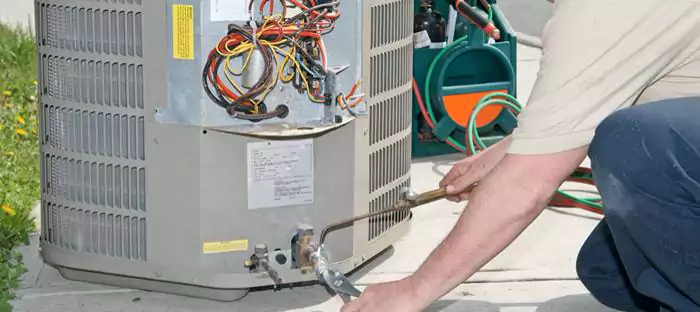
Why New Orleans AC Systems Fail Faster And What to Do About It
How New Orleans heat, humidity, and wet weather put extra strain on air conditioning systems.
Heat and runtime add up
New Orleans systems often run long hours through humid weather. Long runtime makes small airflow, drainage, electrical, and refrigerant problems show up sooner. A unit that cools less well after the hottest part of the day deserves a check before it becomes a no-cool call.
Humidity makes drainage and airflow important
A clogged filter, iced coil, restricted drain, or wet insulation can all affect comfort. Change filters on schedule, keep returns clear, and turn cooling off if the indoor coil is frozen so it can thaw before diagnosis.
Water and outdoor exposure matter
Rain, standing water, salt air, and vegetation can accelerate corrosion and block condenser airflow. Keep the outdoor unit clear, watch for a persistently wet pad or pan, and do not operate equipment that was under floodwater.
What to tell the technician
When you call, note whether the indoor blower runs, whether the outdoor unit starts, whether the air is warm or just weak, and whether water is present. Those details help direct the first inspection without replacing a diagnosis.
Related Articles
-
HVAC Tips · Jul 4, 2026
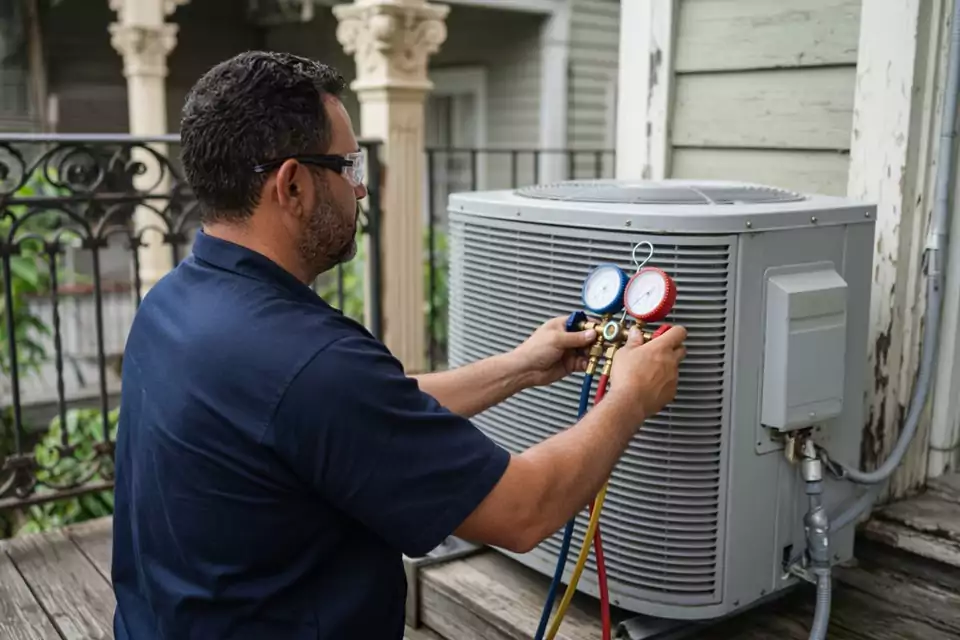
The Complete Guide to HVAC Humidity Control in New Orleans
Humidity is the real enemy in New Orleans — not just heat. This guide explains how to keep your home’s relative humidity in the healthy 45–55% range.
-
HVAC Tips · Jul 4, 2026
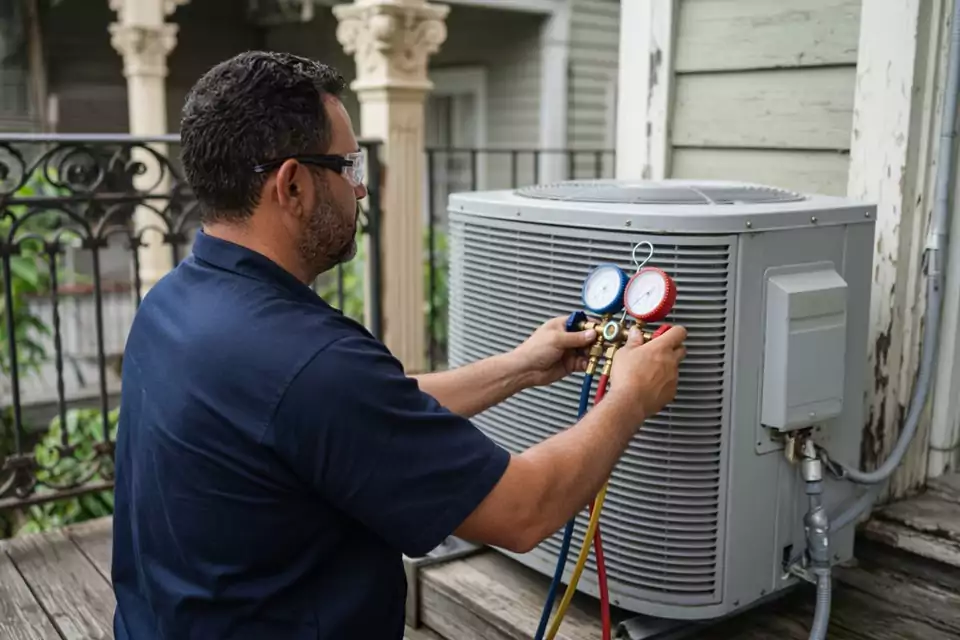
Why New Orleans Homes Need HVAC Maintenance Every 6 Months — Not Once a Year
Louisiana’s subtropical climate puts extraordinary demands on residential HVAC systems. Here’s why the standard annual tune-up isn’t enough for Greater.
-
HVAC Tips · Jul 4, 2026
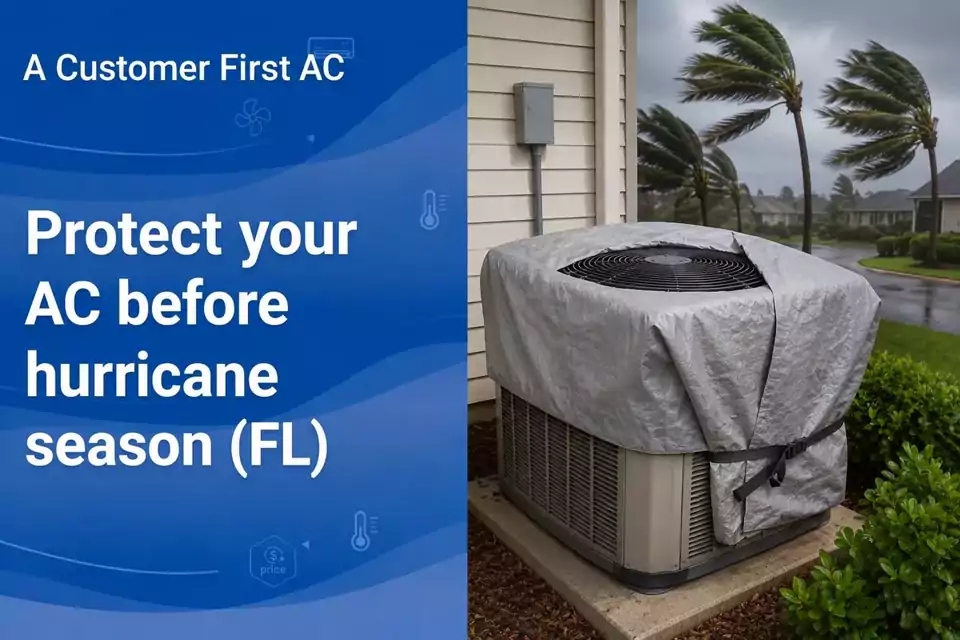
Preparing Your New Orleans HVAC System for Hurricane Season
Hurricane season runs June through November in New Orleans. Here’s how to protect your HVAC system before a storm, what to do during, and how to safely.