
Key Takeaways
- New Orleans Mechanical Pros is a veteran-owned HVAC company with 17 years of experience, offering affordable, diagnostic-first AC repair for Garden District and historic New Orleans homes.
- Many air conditioning repairs-capacitors, thermostats, air filters, condensate drains-can fix an air conditioner that’s not cooling without a full system replacement, especially in older properties.
- Garden District historic homes present unique AC challenges including high ceilings, aging ductwork, older electrical infrastructure, and preservation requirements. Options like ductless mini splits or carefully sized central air can help.
- AC repair costs depend on several factors: diagnosis, parts, system age, refrigerant type, and accessibility inside historic structures. Same-day and emergency air conditioning services are often available during New Orleans heat waves.
- Garden District and Uptown homeowners can call New Orleans Mechanical Pros at (504) 826-3775 to schedule AC repair, maintenance, or a system evaluation.
Need Affordable AC Repair in the Garden District?
Garden District homeowners dealing with an AC system that isn’t cooling properly don’t always need an expensive replacement. New Orleans Mechanical Pros, a veteran-owned business with 17 years of HVAC experience, provides affordable AC repair and air conditioning service across the Garden District and Uptown-including older and historic homes where HVAC systems require a more specialized approach.
Affordability starts with an accurate diagnosis. Rather than jumping straight to replacement when an air conditioner stops blowing cold air, experienced technicians identify the actual failure first. In many cases, a single component fix restores cooling for a fraction of the replacement cost.
New Orleans heat and humidity are relentless. The subtropical climate-frequent 90°F days from May through September-puts enormous stress on every cooling system. Garden District properties, many built between the 1830s and 1920s, weren’t designed for modern central air conditioning. That history creates specific repair challenges that generic HVAC contractors may not fully appreciate.
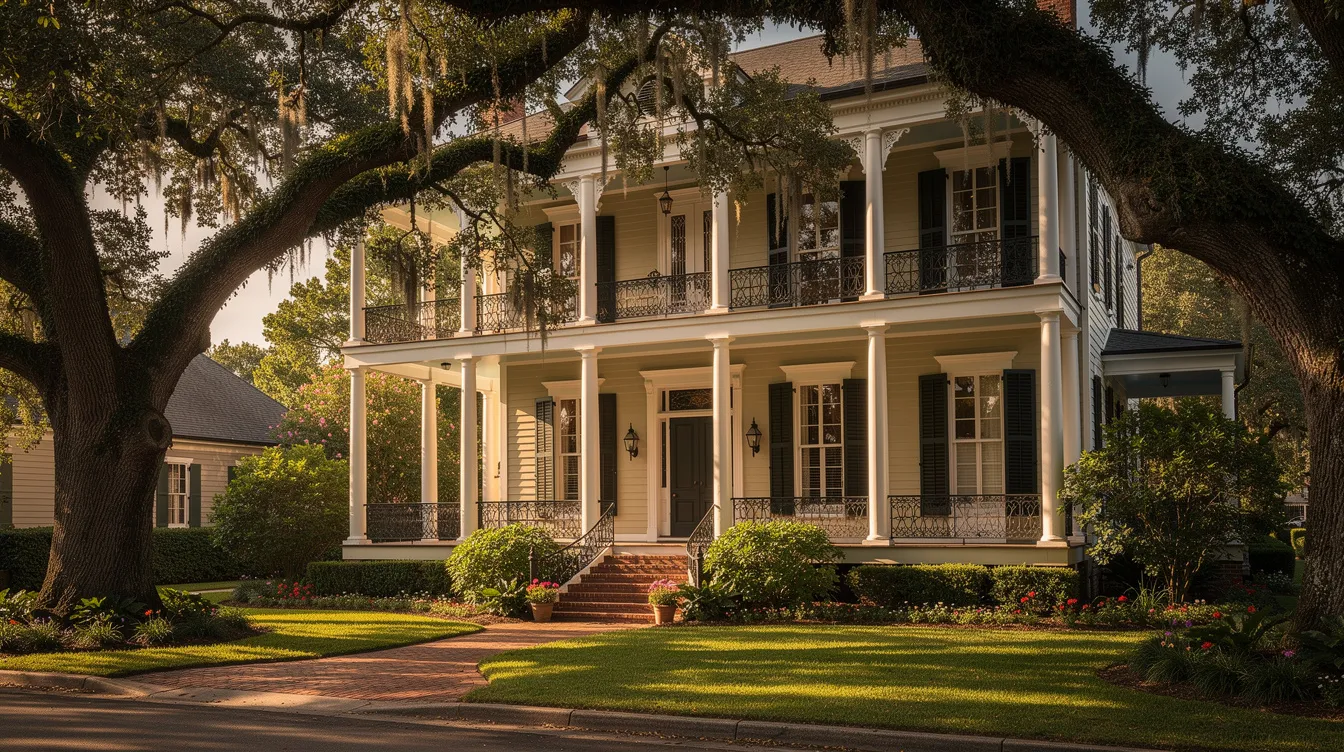
Technicians at New Orleans Mechanical Pros are experienced with historic home AC repair in New Orleans, including properties near St. Charles Avenue, Magazine Street, and throughout the Garden District. They understand how to work around plaster walls, ornate trim, and limited mechanical spaces without damaging what makes these homes special.
Later sections cover repair costs, common air conditioning repairs, ductless mini splits, when repair makes sense versus replacement, and practical prevention tips.
Start With an AC Diagnosis Before Replacing Your System
Many air conditioning repair calls in the Garden District are solved by fixing a single failed part-not replacing the entire AC unit. A diagnostic-first approach identifies exactly what’s wrong before any work begins.
Common component-level issues include:
- Failed capacitor
- Burned or pitted contactor
- Clogged condensate drain line
- Miswired or failing thermostat
- Dirty evaporator or condenser coils
- Low refrigerant charge or refrigerant leaks
- Blower motor problems
- Condenser fan issues
- Electrical faults (tripped breakers, corroded wiring)
- Frozen evaporator coils
A professional AC repair visit typically involves inspecting the thermostat, checking air filters, measuring voltages and amperages, testing refrigerant pressures, and assessing coil condition and drain function.
Can an AC be repaired without replacing the entire system? Yes. Many cooling failures involve individual components that can be repaired or replaced without installing new equipment. Systems from the late 2000s and 2010s are often still repairable when the compressor and coils remain in good condition.
That said, age, refrigerant type (R-22 versus R-410A), previous repair history, and current comfort or humidity issues all factor into whether repair or replacement is more affordable long term. Variables affecting system performance include refrigerant charge and airflow restrictions, both of which a technician evaluates during diagnosis.
How Much Does AC Repair Cost in the Garden District?
AC repair costs in the Garden District vary because of system type, age, and the complexity of working in historic homes with tight mechanical spaces and older electrical panels. An on-site diagnosis is usually required before giving an exact price, but understanding what typically drives costs helps New Orleans homeowners plan.
New Orleans Mechanical Pros charges a diagnostic/service-call fee that’s applied toward approved repairs, keeping total air conditioning service costs manageable. Hidden issues in older Garden District houses-concealed ductwork, outdated wiring, hard-to-reach air handlers-can affect labor time and overall pricing.
All pricing is explained upfront, with repair options presented before any discussion of replacement.
What Determines the Cost of an AC Repair?
Several factors influence what you’ll pay:
- Diagnostic visit fee: Typically $75–$150 in New Orleans, often credited toward the repair.
- Replacement parts: Capacitors and contactors cost less than blower motors or compressors.
- Labor time: Access difficulty in Garden District attics, closets, or behind original plaster increases hours.
- Refrigerant: Leak search, repair, and recharging add cost. Older R-22 systems are significantly more expensive to recharge due to the phaseout, which may push the decision toward replacement.
- After-hours or emergency service: Summer demand (June–September) can include premium rates.
- Major component failures: Compressor or large coil replacements are the most expensive repairs and often trigger a repair-versus-replacement conversation.
Garden District–specific considerations include limited attic or crawlspace access, older or patched ductwork, and historic finishes that require careful workmanship during AC repairs.
Minor AC Repair vs. Major AC Repair
Not all AC repairs are equal. Here’s a general breakdown:
Type of Problem | Typical Complexity | Repair Considerations |
|---|---|---|
Thermostat | Lower | Wiring check, battery, or configuration fix |
Capacitor | Lower | Quick component swap; common truck-stock part |
Condensate drain clog | Lower | Drain clearing and safety switch check |
Contactor | Lower–Moderate | Electrical diagnosis; corrosion common in humid climates |
Blower motor | Moderate | Motor type, availability, and access in tight spaces |
Refrigerant leak | Moderate–High | Leak location, repairability, refrigerant type |
High | System age, refrigerant, and replacement economics |
Minor repairs are usually completed in a single visit. Major repairs require evaluating whether the investment makes sense given the system’s remaining lifespan.
Why Garden District Homes Can Have Unique AC Problems
Garden District homes-many dating to the mid-19th century-were never designed for modern central air conditioning. Cooling historic homes in New Orleans requires specialized HVAC strategies that respect both the building and the climate.
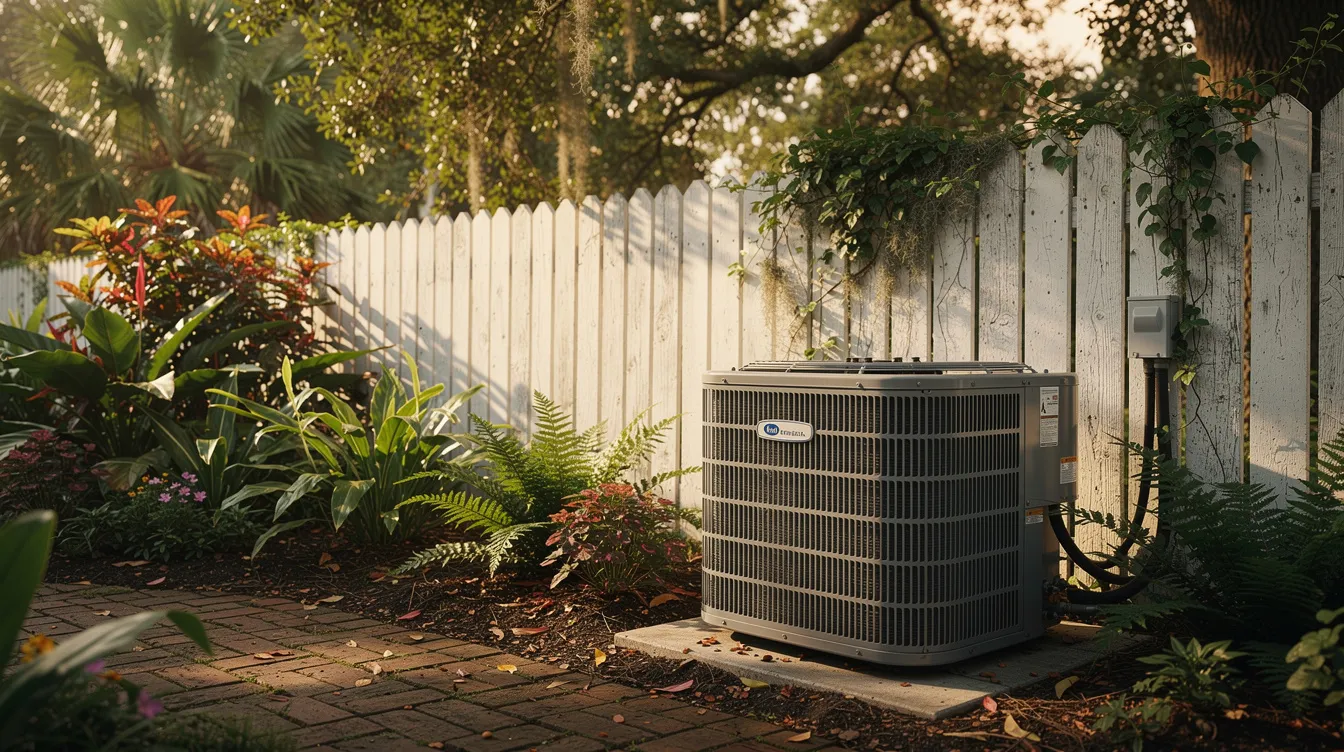
Common traits like high ceilings, original plaster walls, ornate millwork, long narrow layouts, and multiple additions over time complicate duct routing and AC airflow. Local live oaks, dense landscaping, and shaded porches can also restrict outdoor condenser airflow when leaves and debris crowd the unit.
New Orleans humidity and frequent summer thunderstorms add stress to air conditioning systems and drainage components. These factors combine to create challenges you won’t encounter in newer suburban construction.
Historic and Older Homes
Many Garden District properties along Prytania Street, Coliseum Street, and Louisiana Avenue have small mechanical closets, limited attic space, or crawlspaces that make AC repairs more intricate. Louisiana historical properties require a nuanced understanding of local architecture for HVAC work.
Older duct systems-often added in the 1970s through 1990s-may be undersized, leaky, or poorly insulated. Attic temperatures in unconditioned New Orleans attics can reach 140–160°F, and ducts running through those spaces lose significant cooling capacity unless sealed and insulated. Older homes often require careful duct improvements for AC repair, replacement, and general HVAC performance.
Aging electrical infrastructure-older panels, mixed wiring types-demands attention to ensure safe power supply and proper breaker sizing for modern AC systems. Older homes may need electrical upgrades during AC replacement or when adding new equipment.
Legal guidelines often govern modifications to HVAC systems in historic districts, and preservation guidelines require evaluating any structural changes before HVAC installations. Maintaining historic aesthetic can involve placing outdoor units discreetly to protect the streetscape. Homeowners want to preserve original plaster, crown molding, and hardwood floors, making invasive duct changes less desirable.
New Orleans Mechanical Pros approaches historic home AC repair with a preservation mindset, often favoring targeted repair, airflow adjustments, or ductless mini splits in sensitive areas.
New Orleans Heat and Humidity
New Orleans’ subtropical climate forces AC systems to run long cycles for both cooling and moisture removal. Humidity control is crucial for comfort in New Orleans homes, and it’s doubly important in historic properties where high humidity can lead to moisture damage on porous plaster, wood trim, and original flooring if not adequately managed.
High runtime accelerates wear on compressors, blower motors, capacitors, and condensate drains, especially in older air conditioning systems that may already be running past their ideal service life.
Properly functioning AC systems don’t just cool-they dehumidify. Short-cycling or oversized systems cool the air quickly but leave humidity high, creating that sticky, uncomfortable feeling and raising the risk of mold. Humidity control is crucial in historic homes for both comfort and preservation.
Storms and power interruptions cause electrical surges or brownouts that can damage AC electronics, control boards, and capacitors. Surge protection is worth considering, particularly for Orleans homes with older electrical panels.
Why Proper Sizing Matters in Historic Homes
Bigger is not always better. An oversized air conditioner cools the air too quickly, causing short cycles that reduce runtime and limit humidity removal. A right-sized AC system runs in long, steady cycles that stabilize both temperature and humidity-especially important in tall rooms and multi-story layouts common in Garden District homes.
A Manual J load calculation ensures proper AC system sizing by accounting for square footage, ceiling heights, insulation levels, window types and orientation, and solar gain from large windows and porches. A right-sized HVAC system maintains about 50 percent humidity, which is the sweet spot for comfort and preservation in the New Orleans climate.
When replacement is considered, New Orleans Mechanical Pros evaluates both existing ductwork and load calculations so a new system fits the historic home’s actual needs rather than defaulting to oversized equipment.
7 Signs Your Garden District Home Needs AC Repair
If you notice any of these issues, it’s time to schedule HVAC service:
- AC runs but doesn’t cool – Possible causes include dirty air filters, low refrigerant, a failing compressor, or a condenser blocked by garden debris.
- Warm air from vents – Could indicate thermostat issues, incorrect mode settings, failed reversing valves in heat pumps, or frozen evaporator coils blowing warm air after initial cooling.
- AC constantly runs – Low refrigerant charge, undersized systems for renovated spaces, or leaky ductwork losing cooled air into unconditioned attics.
- System frequently turns on and off – Often caused by oversized AC units, poor thermostat placement near windows with direct sun, or safety switches tripping.
- Unusual sounds – Grinding, squealing, buzzing, or strange noises from the indoor or outdoor unit. Unusual sounds from an AC unit indicate a need for repair-don’t wait for a component to fail completely.
- Water around the indoor unit – Condensate drain clogs are common in high-humidity environments. Left unchecked, water damages plaster ceilings and hardwood floors.
- Certain rooms hotter than others – Airflow imbalances and duct issues are especially common in older homes with additions, long shotgun layouts, or partially blocked returns.
AC Running but Not Cooling Your Garden District Home?
Why is my AC running but not cooling my New Orleans home? The most common causes are dirty air filters, blocked outdoor condensers, refrigerant issues, or thermostat problems. These all require professional diagnosis to confirm, but homeowners can safely check a few items before calling.
In historic properties, extra care is needed to avoid damaging finishes when accessing attic or closet air handlers. Below is a step-by-step checklist.
Safety first: Turn off power at the disconnect or breaker before touching any panels. Never attempt to open refrigerant lines.
Check Your Thermostat
Verify the thermostat is set to “Cool” with a temperature below current room temp and the fan set to “Auto” rather than “On.” Common issues include low batteries, older analog units that drift over time, or miswired smart thermostats installed during renovations. Replacing batteries or confirming the display is working are quick fixes before calling for AC repair.
Check the Air Filter
Clogged filters should be checked every 30 days in New Orleans due to dust, pollen, and high runtime. Filters are typically behind return grilles in hallways, in wall returns, or inside air handlers in closets or attics. A clogged filter restricts airflow, can cause frozen evaporator coils, raises energy costs, and degrades indoor air quality.
Inspect the Outdoor Unit for Obvious Obstructions
Walk outside and look at the condenser. Clear away leaves, vines, and debris, keeping at least two feet of clearance around the unit. Many Garden District condensers sit close to fences, shrubs, or historic brick walls, reducing airflow and hurting performance. Don’t remove the top grill or stick tools into the fan area-gently brush off leaves and dirt from the coils.
Look for a Frozen AC System
Signs of a frozen evaporator coil include ice on the refrigerant lines, frost around the air handler, or supply vents that feel cool at first then blow warm air. Causes often include dirty air filters, blocked return vents, low refrigerant, or blower motor issues-problems that surface during long AC run times in peak summer. Shut the system off and turn the fan to “On” to help thaw while waiting for a professional.
Check Whether the Breaker Has Tripped
Locate the main electrical panel-often in interior closets or on exterior walls in older Garden District homes-and check for tripped breakers labeled “AC,” “Condenser,” or “Air Handler.” Reset a breaker once by flipping it fully off then back on. If it trips again, that signals an electrical or motor issue requiring a licensed HVAC technician. Never hold or tape breakers in place, and don’t work inside the panel beyond flipping a switch.
When to Call an HVAC Technician
Call for professional air conditioning repair if:
- No cooling after basic checks
- Breaker repeatedly trips
- Ice forms on lines or the unit
- Burning smells come from vents or equipment
- Loud buzzing, grinding, or making noise from the outdoor unit
Refrigerant handling, capacitor replacement, and most electrical repairs are not DIY-safe. Experienced technicians should handle these. Garden District homeowners can call New Orleans Mechanical Pros for same-day diagnostics when possible, especially during heat advisories.
Common AC Repairs in Garden District Homes
Here’s an overview of the most frequent air conditioning repairs New Orleans Mechanical Pros performs in Garden District and Uptown homes. Many of these repairs restore cooling performance and extend system life when addressed promptly, avoiding costly repairs down the line.
AC Capacitor Replacement
Symptoms: Outdoor unit hums but the fan won’t spin, system clicks on and off, or the AC fails to start on hot afternoons.
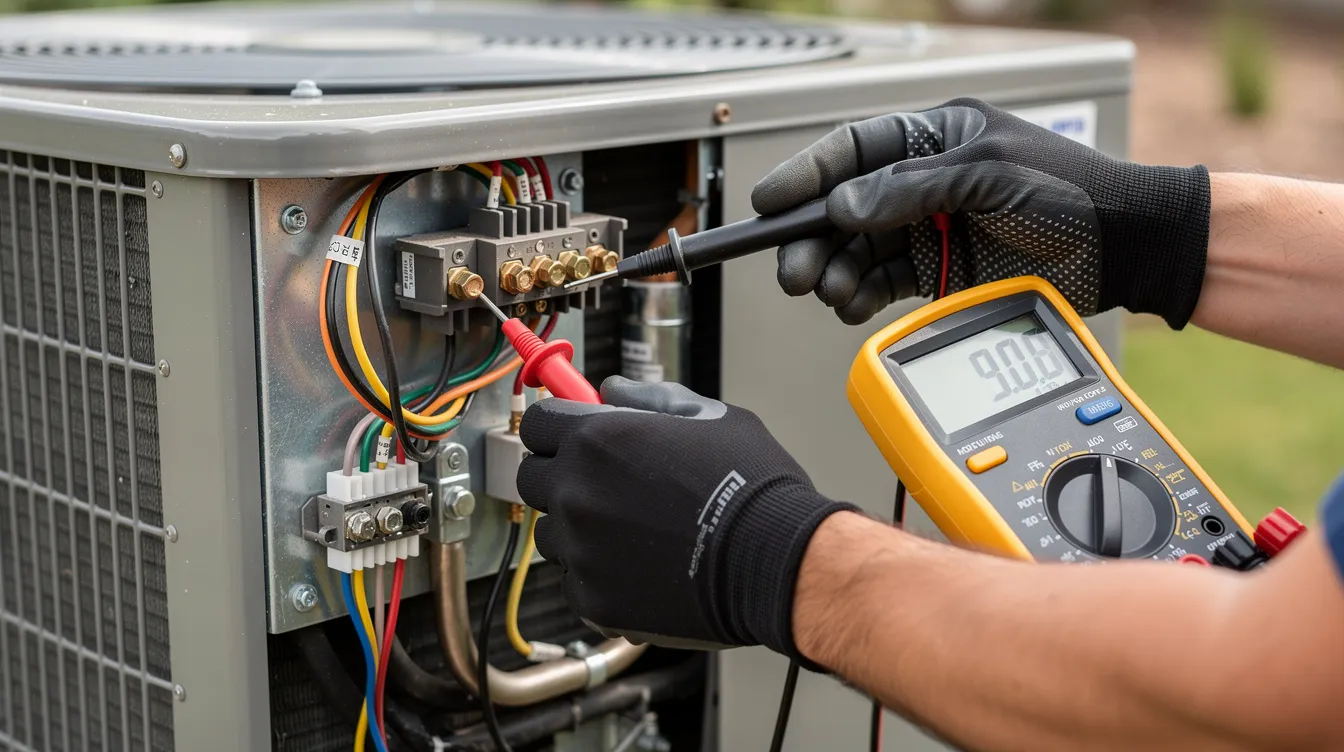
Capacitors help start and run compressor and fan motors. New Orleans heat accelerates their failure. Technicians test capacitance with a meter and swap in manufacturer-approved replacements-a common, relatively quick fix. Capacitors store electrical energy and should only be handled by trained HVAC pros.
Condensate Drain Cleaning
Symptoms: Water around the indoor unit, ceiling stains under upstairs air handlers, or the system shutting off via the safety float switch.
New Orleans humidity and algae growth in drain lines make this a frequent service call. Technicians clear blockages, treat the line, and check drain pans and safety switches to prevent future overflows.
Thermostat Repair and Replacement
Symptoms: Inaccurate temperature readings, unresponsive controls, or intermittent operation.
Some Garden District homes still have older thermostats that don’t communicate well with newer equipment. Technicians check wiring, placement (away from direct sun through tall windows), and replace with compatible programmable or smart units when appropriate.
Blower Motor Repair
Symptoms: Weak airflow from vents, odd motor noises, or a system that cools its coils but can’t push air through the ducts.
Blower motors in attic or closet air handlers work hard during New Orleans’ long cooling season. Diagnosis includes checking motor amperage, capacitor condition, and blower wheel cleanliness before deciding on repair or replacement.
Condenser Fan Repair
Symptoms: Outdoor fan not spinning, loud grinding noises, or hot air blowing from the top of the condenser instead of normal warm airflow.
A failed condenser fan causes the outdoor unit to overheat, potentially tripping safety switches. Technicians test the fan motor, check the blade, verify the capacitor and power supply, then replace failing components.
Refrigerant Leak Diagnosis
Symptoms: AC runs constantly, vents feel less cool, ice builds on lines, or energy bills climb without improved comfort.
Technicians use gauges, leak detectors, and visual inspection to locate leaks in coils, line sets, or fittings. Small, accessible leaks may be repaired and recharged. Widespread coil leaks or systems still using phased-out R-22 refrigerant may push toward considering replacement.
Evaporator Coil Problems
Evaporator coils hidden in hall closets or attic air handlers can develop leaks, corrosion, or heavy dirt buildup over years of service. Outcomes include reduced cooling capacity, frequent freezing, or water dripping into ceilings and walls. Coil cleaning or replacement often requires careful disassembly in tight Garden District mechanical spaces.
Compressor Problems
The compressor is the heart of the air conditioning system. Failure shows up as loud noises, tripped breakers, or no cooling despite the fan running. Compressor replacement is a major repair-typical ranges run $1,200–$2,800 depending on unit size and refrigerant type. When compressors fail in older systems, New Orleans Mechanical Pros presents both repair and full-system replacement options for comparison.
Electrical and Control Problems
Older Garden District electrical panels and wiring contribute to AC control issues: intermittent operation, blown fuses, or low-voltage control problems. Components like contactors, relays, control boards, float switches, and low-voltage wiring can fail in New Orleans’ humid climate. Technicians check for corroded connections, loose wires, and pest damage, then complete repairs to restore reliable control and safety.
AC Repair vs. Replacement: Which Is More Affordable?
Garden District homeowners often face this choice with older systems. The most affordable option depends on equipment age, repair history, energy costs, and comfort issues like poor humidity control.
New Orleans Mechanical Pros presents clear, side-by-side options so homeowners understand both short-term and long-term costs.
When AC Repair May Make Sense
Repair tends to make financial sense when:
- The system is under 10–12 years old
- It has a good overall condition and limited prior failures
- The failure is isolated-a capacitor, contactor, thermostat, or drain issue
- Parts are readily available and the refrigerant type is current (R-410A)
If the air conditioner still cools effectively, maintains humidity, and hasn’t needed frequent breakdowns, repairing is typically the most affordable path. Many of these repairs can be completed same day.
Repairing existing HVAC systems is often preferable to replacing them in historic homes, where installation of new equipment can be more disruptive and expensive.
When AC Replacement May Be Worth Considering
Replacement may be more cost-effective when:
- The system is over 12–15 years old with frequent breakdowns
- Major components (compressor, coils) have failed
- The system uses phased-out R-22 refrigerant
- Chronic comfort issues-rooms always hot, house always damp-signal sizing or design problems
- Energy costs keep climbing despite repairs
Replacing an AC system can improve energy costs and reliability, and a new system should be properly sized and matched to the home’s layout, ductwork, and humidity demands in a historic Garden District property. Modern systems also offer better humidity control and quieter operation, which can significantly improve year round comfort in large, historic Garden District homes.
Don’t Replace an AC Until You Know What’s Wrong
Homeowners shouldn’t feel pressured into replacement before receiving a clear diagnosis. New Orleans Mechanical Pros inspects, diagnoses, and explains findings-with photos or video where possible-then presents repair and replacement options in plain language.
A second opinion is always worthwhile before committing to a major system replacement in a historic property. Clear answers about what actually failed help Orleans homeowners make informed decisions.
HVAC Options for Historic Garden District Homes
Historic homes often benefit from a mix of cooling solutions: central air conditioning, heat pumps, and ductless mini splits, depending on layout and preservation goals. No single system type fits every Garden District house. New Orleans Mechanical Pros evaluates existing equipment, ducts, and comfort issues before recommending an air conditioning service plan.
Central Air Conditioning
Central AC remains the most common solution where existing ductwork is reasonably well-designed and accessible. Benefits include whole-home cooling, integrated filtration with proper air filters, and compatibility with existing thermostats.
However, older homes often require careful duct improvements for HVAC performance-sealing leaks, re-insulating, and balancing airflow. Duct improvements can yield substantial efficiency gains without replacing the entire system.
Heat Pumps
Modern heat pumps provide both cooling and reliable heating, useful for milder New Orleans winters and reducing reliance on older gas furnaces or electric resistance heaters. A heat pump can serve as a dual-purpose system that improves efficiency across heating and cooling seasons, especially during colder months.
Heat pump selection and sizing should account for insulation levels, window quality, and any planned upgrades to ensure the right system for the home.
Ductless Mini-Splits
Ductless mini-splits are ideal for historic homes without ductwork-or for specific rooms where running ducts would damage historic finishes. High-velocity small-duct systems use small insulated tubing to avoid damage to historic structures, but where even that isn’t practical, a ductless system provides targeted cooling while preserving historical features.
Ductless mini-split systems require minimal exterior space and avoid invasive ductwork, making them a preservation-friendly AC solution. They offer independent zone control, high efficiency, and quiet operation-well-suited for bedrooms, home offices, and additions.
Outdoor and indoor unit placement requires careful planning to preserve historic aesthetics while meeting performance and condensate drainage needs.
Multi-Zone HVAC Systems
Multi-zone central or ductless systems manage temperature and humidity differences between floors and wings in large Garden District homes. Zoned HVAC strategies can improve comfort by addressing uneven cooling in larger historic homes.
Options include separate thermostats for upstairs and downstairs, dampers in ductwork, or multiple ductless mini-split heads tied to one outdoor unit. Proper design prevents one area from being overcooled while another remains hot and humid.
How New Orleans Mechanical Pros Helps Keep AC Repairs Affordable
New Orleans Mechanical Pros is a local, veteran-owned HVAC contractor focused on diagnostic-first, repair-when-practical service for Garden District and New Orleans homeowners. With 17 years of HVAC experience in the Orleans area-including work in historic neighborhoods like the Garden District, Irish Channel, Uptown, and Mid-City-the company understands what local homes need.
Core services include residential AC repair, air conditioning installation and replacement, ductless mini splits, heat pumps, air handlers, indoor air quality services, and seasonal AC maintenance.
The typical process:
- Schedule a visit
- On-site diagnosis
- Explanation of findings
- Presentation of repair and replacement options
- Homeowner-approved work begins
Transparent communication and itemized recommendations ensure homeowners choose the most affordable, appropriate option for their home and budget.
Why Choose New Orleans Mechanical Pros for Garden District AC Repair?
New Orleans Mechanical Pros brings local expertise, careful workmanship, and a veteran-owned commitment to every AC repair call. The company is experienced with the specific challenges of New Orleans’ climate and historic housing stock, and technicians are trained to work carefully in historic interiors-protecting floors, plaster, and trim during repairs.
Need AC repair in the Garden District? Call New Orleans Mechanical Pros at (504) 826-3775.
Local New Orleans HVAC Experience
Long-term experience in New Orleans means understanding how high humidity, frequent storms, and long cooling seasons affect AC system design and repair priorities. Local contractors should understand historic preservation guidelines and specialize in older homes-and that’s exactly the expert knowledge New Orleans Mechanical Pros brings.
Familiarity with neighborhood layouts and home styles across the Garden District, Uptown, the French Quarter, Jefferson Parish, and nearby areas helps technicians anticipate common issues before they walk through the door.
Experience With Older Homes and HVAC Systems
Working in historic properties requires careful planning around limited mechanical space, older duct systems, and preserving original architectural details. New Orleans Mechanical Pros takes steps like laying floor protection, using compact tools, and planning non-invasive access paths.
The company blends solutions-improving existing central systems while adding ductless mini splits where central air isn’t practical-to meet each home’s needs in its own neighborhood.
Veteran-Owned HVAC Company
New Orleans Mechanical Pros is a veteran-owned business. Military experience translates to discipline, punctuality, clear communication, and respect for customers’ homes. This is mentioned for transparency and trust, not as a marketing gimmick.
Residential and Commercial HVAC Experience
Experience with both residential and light commercial systems gives technicians broader diagnostic skills across various HVAC brands, equipment types, and control setups. This is especially helpful in larger Garden District homes with near-commercial-sized equipment or complex zoning.
Emergency AC Repair Available
Emergency air conditioning repair is appropriate when there’s no cooling during extreme heat, elderly or medically vulnerable occupants, or significant water leaks from equipment. New Orleans Mechanical Pros strives to offer prompt response for urgent AC issues, especially during peak summer.
According to city data from 2024, 103 AC-related complaints were filed during summer months, with cases involving elderly residents and children among the most urgent. Don’t wait for the hottest day-give us a call at (504) 826-3775 to check current emergency availability.
How to Prevent Expensive AC Repairs in New Orleans
Regular AC maintenance can prevent major breakdowns and keep your cooling system running efficiently through New Orleans’ brutal summers. These preventive steps cost far less than emergency air conditioning repairs or premature replacements.
New Orleans Mechanical Pros offers maintenance visits to inspect, clean, and tune AC systems before and during the long cooling season.
Change HVAC Filters Regularly
Changing air filters every 30 days is recommended in New Orleans due to dust, pollen, and high AC runtime. Clean air filters keep air flowing, reduce blower motor stress, prevent coil freezing, and improve indoor air quality. Keep a stock of correctly sized filters on hand so replacement is a quick fix rather than a forgotten task.
Keep the Outdoor Condenser Clear
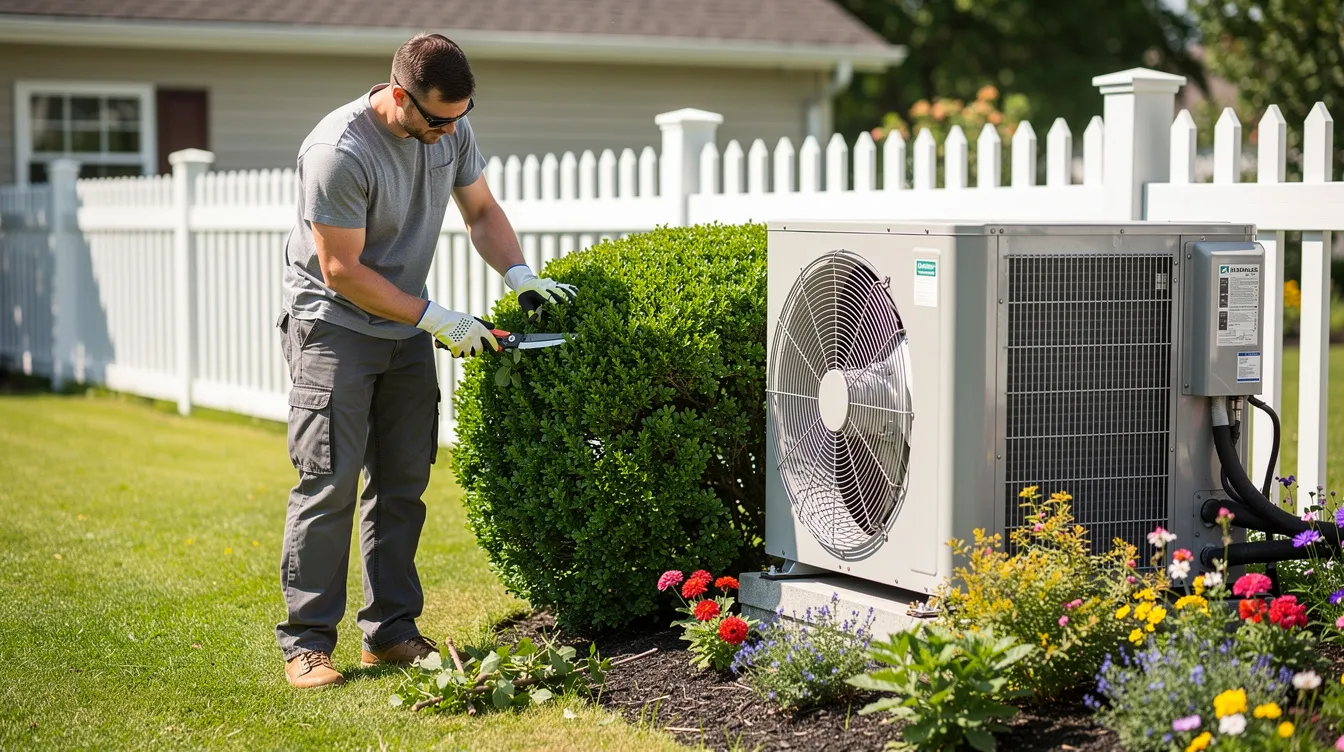
Trim shrubs, remove leaves, and maintain at least two feet of clearance around the outdoor condenser. In the Garden District, dense landscaping and decorative fences frequently crowd AC units, restricting airflow and increasing energy costs. Gently clean debris from the coil fins without bending them.
Don’t Ignore Drainage Problems
Water around the indoor unit, musty smells, or stains on ceilings near air handlers are early warning signs of condensate drain problems. Clearing a partially clogged drain is far cheaper than repairing water damage to plaster ceilings and original hardwood floors in historic homes. Call for air conditioning service promptly if you notice leaking or repeated float-switch trips.
Schedule Preventive HVAC Maintenance
Schedule professional AC maintenance at least once a year-ideally in spring before the hottest months. Routine maintenance improves AC efficiency and reduces energy costs over time. Typical tasks include coil cleaning, checking refrigerant levels, inspecting electrical components, clearing drains, testing safety switches, and verifying system performance.
AC systems should be inspected for airflow and drainage issues regularly, and New Orleans Mechanical Pros maintenance visits help catch small problems before they become major repairs.
Address Small Cooling Problems Early
Don’t ignore signs like weak airflow, new or unusual sounds, or occasional warm air. These often precede bigger AC failures. Early air conditioning repair is typically less invasive and less expensive than waiting for a complete breakdown-especially in historic Garden District properties where access is harder and secondary damage from leaks is a bigger concern.
New Orleans families depend on their AC through long, humid summers. Catching problems early keeps your home comfortable and avoids mid-season disruptions.
Pay Attention to Increasing Energy Use
Monitor your Entergy bills for unexplained increases during the cooling season. Rising energy costs without improved comfort can signal dirty coils, low refrigerant, failing motors, or duct leaks that force the system to run longer. If the system is showing signs of declining efficiency, schedule an AC performance check to identify the root cause.
Frequently Asked Questions About Garden District AC Repair
Below are answers to common questions from Garden District and Uptown homeowners. For answers specific to your home and system, call New Orleans Mechanical Pros at (504) 826-3775.
How much does AC repair cost in the Garden District?
Costs range widely depending on whether the issue is minor (capacitor or thermostat, often $150–$400) or major (compressor, potentially $1,200–$2,800), plus access difficulty and system age. A diagnostic visit is usually needed for an accurate estimate, especially in historic homes. New Orleans Mechanical Pros provides clear, itemized options after inspection.
Can an AC be repaired the same day?
Many common repairs-capacitors, contactors, thermostats, some drain clogs-can be completed in a single visit if parts are on the service truck. More complex issues, unusual parts for older systems, or access challenges in historic homes may require a follow-up. Describing symptoms when you call helps the technician arrive better prepared for same day service.
Are ductless mini-splits good for historic Garden District homes?
Ductless mini-splits are ideal for historic spaces without ductwork, or for rooms where running ducts would damage original finishes. They offer zone control, high efficiency, and quiet operation. However, they may not be the right choice as the sole solution for every home. A professional evaluation determines where a ductless system, central air, or a combination works best.
What should I check before calling an AC repair company?
Check the thermostat settings, verify the air filter is clean, ensure the breaker hasn’t tripped, and look for obvious obstructions around the outdoor unit. If these simple checks don’t restore cooling-or if you see ice, water leaks, or smell something burning-call an HVAC company. Don’t open panels or handle electrical or refrigerant components yourself.
Does New Orleans Mechanical Pros offer emergency AC repair?
Yes. New Orleans Mechanical Pros provides prompt AC repair response, including emergency service during peak New Orleans heat when possible. Availability depends on weather and call volume, so call (504) 826-3775 to confirm current scheduling. Even when same-day repair isn’t available, technicians can offer guidance and prioritize calls involving vulnerable occupants or active leaks.
Schedule Affordable AC Repair in the Garden District
New Orleans Mechanical Pros provides AC repair and full HVAC services for homeowners in the Garden District, Uptown, and surrounding New Orleans neighborhoods. Veteran-owned, with 17 years of HVAC experience, the company focuses on diagnostic-first, affordable repair for historic and modern Orleans homes alike.
AC not cooling or your Garden District home feeling too humid? Call New Orleans Mechanical Pros at (504) 826-3775 to schedule air conditioning repair or maintenance today.
The company serves Garden District ZIP codes and nearby areas with the kind of local expertise and proper installation practices that historic properties demand. Whether it’s a quick fix on a capacitor or evaluating whether a new AC system makes sense for your property, experienced technicians are ready to help New Orleans families stay comfortable through every cooling season-and even through the colder months when your heating system needs attention too.
Don’t wait for a breakdown on the hottest day of summer. Schedule HVAC service now and feel cool all season long.