

Key Takeaways
- AC repair in the Garden District is different from newer builds because of tall ceilings, plaster walls, retrofitted ductwork, older electrical panels, and equipment squeezed into spaces never designed for central air.
- New Orleans Mechanical Pros diagnoses the entire cooling system – equipment, ductwork, drainage, humidity control, and installation conditions – before recommending ac repair costs or ac replacement.
- Humidity control, water leaks over historic ceilings, and duct problems are major risks in Garden District homes, not just temperature complaints.
- Most air conditioning repairs can be completed without unnecessary damage to historic plaster, trim, and finishes when the contractor plans access carefully.
- Having AC trouble in the Garden District? Call New Orleans Mechanical Pros at 504-826-3775 for ac repair in New Orleans.
Introduction: AC Repair in the Garden District Isn’t Just Another Service Call
Walk into a 19th-century Garden District home on a 95°F August afternoon and the job is already different. The ceilings are 12 to 14 feet tall. The walls are original plaster. The staircase is narrow enough that getting a toolbox upstairs takes planning. Somewhere behind a closet door or up a pull-down attic ladder, a modern ac system has been wedged into a house that was built a century before central air existed.
The air conditioner might be ten years old. The house is a hundred and fifty. That gap matters.
New Orleans’ subtropical climate puts immense strain on cooling systems, and many Garden District homes feature historic architecture that complicates HVAC installation and repair. When New Orleans Mechanical Pros diagnoses an AC problem in an older Garden District home, we don’t look only at the equipment. We also look at airflow, drainage, ductwork, equipment location, and how the cooling system was adapted to the house.
If your AC is struggling in a Garden District home, call New Orleans Mechanical Pros at 504-826-3775 for fast, local air conditioning repair and free estimates on major work.

Why AC Repair Can Be Different in a Historic Garden District Home
This section isn’t a history lesson. It connects the building itself – the walls, ceilings, windows, and wiring – directly to how your air conditioning performs and what can go wrong.
Most Garden District homes were built between the mid-1800s and early 1900s. Over the decades, central air, ductless mini splits, and window units were layered in. Each retrofit changed airflow paths, introduced new duct routes, and added mechanical equipment to spaces that were never designed for it. Older homes in New Orleans often need specialized HVAC solutions because of these accumulated adaptations.
Older electrical panels, limited equipment space, and original construction materials all constrain what a modern air conditioning service call can accomplish without additional upgrades.
Many Older Homes Weren’t Originally Built for Central AC
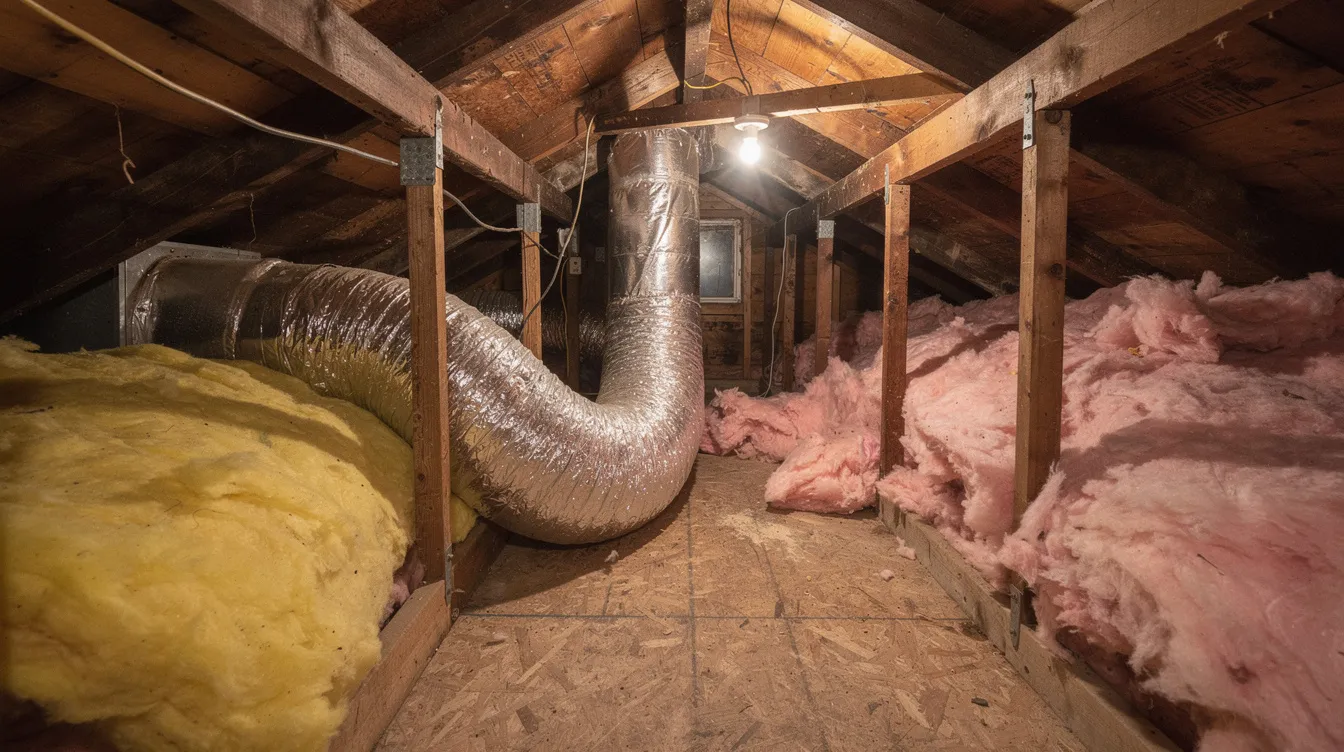
In many Garden District homes, ductwork was added decades after construction – often in phases, by different contractors, using whatever routes were available. Ducts snake through hot attics, run under raised floors, or hide behind added soffits.
This creates practical problems:
- Limited chases for supply and return ducts
- Long duct runs through unconditioned attic spaces
- Undersized or missing return-air pathways
- Tight mechanical closets that make service access difficult
These conditions lead to common complaints: uneven temperatures, noisy systems, weak airflow in back rooms, and higher ac repair costs when technicians need extra time to reach equipment. New Orleans Mechanical Pros inspects not just the ac unit but also the retrofit duct layout and access constraints before recommending solutions.
High Ceilings Change How a Home Feels
A room with 14-foot ceilings holds roughly 60% more air volume than a room with standard 8.5-foot ceilings. Cooled air settles low. Heat rises. The thermostat, often mounted at 5 feet, may read 74°F while the air near the ceiling is 82°F.
High ceilings don’t automatically mean the system is undersized. Distribution often matters more – where supply registers aim, how returns are positioned, whether ceiling fans help circulate air, and how different rooms handle afternoon solar heat gain through large, west-facing windows.
New Orleans Mechanical Pros evaluates temperature differences at floor versus ceiling and room to room before recommending equipment changes. An undersized system and a poorly distributed system produce similar symptoms but require very different fixes.
New Orleans Humidity Adds Another Job to the AC System
New Orleans air is notoriously heavy with moisture. Average relative humidity hovers around 74% year-round, and in summer it regularly exceeds that. Your air conditioner isn’t only lowering temperature – it must constantly remove moisture from the indoor air.
When dehumidification falls short, rooms feel “cool but clammy.” Condensation forms on ducts. Musty odors develop. Plaster walls absorb moisture and can crack, blister, or grow mold. New Orleans AC systems must efficiently control both temperature and humidity to prevent mold growth in these vulnerable historic materials.
Long runtimes, duct sweating, and condensate drainage challenges are normal parts of operating an AC in this climate. But improper design, deferred maintenance, or a system that short-cycles makes them much worse.
A thermostat temperature alone doesn’t tell you whether the cooling system is controlling humidity properly. New Orleans Mechanical Pros checks indoor humidity levels and drain performance as part of every air conditioning repair visit.
7 AC Problems We Look for in Older Garden District Homes
These are the issues New Orleans Mechanical Pros encounters most often during ac repair service calls in Garden District homes. Each one has causes that are sometimes obvious, sometimes hidden – and in older homes, often tied to the building as much as the equipment.
1. AC Is Running but the House Isn’t Cooling
The system runs all day, the thermostat never reaches setpoint, and by 3 p.m. in July the house feels like it’s losing. Common AC issues include warm air blowing from registers and unusual noises from stressed components.
Likely causes include:
- Dirty evaporator coil or blocked condenser
- Failed capacitor or contactor
- Low refrigerant from refrigerant leaks
- Restricted airflow through filters or ducts
- Duct leakage losing cold air into attic space
In Garden District homes, long or leaky ducts and 120°F+ attics can steal a significant percentage of cooling before air reaches the rooms. New Orleans Mechanical Pros performs full diagnostics – coil condition, refrigerant pressures, blower performance, duct integrity – before suggesting parts or replacement.
If your AC runs nonstop but the house still isn’t cooling properly, call New Orleans Mechanical Pros at 504-826-3775.
2. Some Rooms Are Cold While Others Stay Hot
The front parlor is freezing. The back bedrooms are stifling. Upstairs is ten degrees warmer than down. This is a classic Garden District problem.
Contributing factors:
- Retrofitted duct systems with poor layout
- Long flexible duct runs with sharp bends or crushed sections
- Missing or blocked return-air pathways
- Enclosed porches or attic conversions tied into the system without proper balancing
- Closed or painted-over registers
Installing a bigger ac unit to compensate almost always makes things worse – it leads to short cycling, poor humidity control, and higher energy costs. New Orleans Mechanical Pros focuses on duct and airflow corrections first.
3. AC Is Leaking Water
In many Orleans homes, air handlers sit in attic spaces or tall closets directly above finished plaster ceilings and hardwood floors. A leak here isn’t just inconvenient – it can cause serious damage.
Common causes:
- Clogged condensate drain line
- Damaged or rusted drain pan
- Frozen evaporator coils thawing suddenly
- Failed condensate pump
- Sweating ducts with deteriorated insulation
Water leaks above historic ceilings can quickly damage plaster, trim, and paint, making timely ac repair critical. Inspect appliances for safety issues such as major water leakage before calling for repairs – and shut the system down if water is actively dripping.
4. The Evaporator Coil Keeps Freezing
When airflow drops or refrigerant charge is off, the evaporator coil temperature falls below freezing. Ice builds up, airflow drops further, and eventually the ice melts – sometimes sending water where it shouldn’t go.
Common triggers:
- Dirty air filters (the most frequent cause)
- Dirty coil restricting airflow
- Blower motor or fan issues
- Blocked return grilles
- Refrigerant charge problems
Running the system with frozen evaporator coils risks compressor damage and significantly higher repair costs. If you see ice on the coil or refrigerant lines, turn the system off and call for professional service.
5. The AC Runs Almost Constantly
Some long runtime is normal during a New Orleans summer – the Orleans long cooling season demands it. But constant operation can also signal problems.
Building-side causes:
- Old single-pane windows and gaps around doors
- Poor or missing wall insulation
- Leaky attic ductwork losing cooled air
Equipment-side causes:
- Dirty coils reducing efficiency
- Low refrigerant
- A thermostat placed in a hot hallway or sunlit room
- An undersized system struggling to keep the home cool
New Orleans Mechanical Pros separates house and distribution problems from actual equipment failure before recommending major repairs. Sometimes the fix is insulation and duct sealing, not a new system.
6. The AC Keeps Turning On and Off (Short Cycling)
Short cycling means the system runs for a few minutes, shuts off, then restarts – never operating long enough to cool and dehumidify properly.
Potential causes:
- Thermostat malfunction or poor placement
- Control board or wiring issues
- Frozen coil triggering safety shutoff
- Airflow restrictions
- Oversized equipment installed without proper load calculations
- Refrigerant system faults
In Garden District homes, oversized replacements are surprisingly common. A contractor installs a larger unit to “make sure it can handle the big rooms,” but the system reaches thermostat setpoint before it removes enough moisture. The result: the house is cool but sticky, and the compressor cycles excessively.
Repeated short cycling stresses compressors and increases bills. It should be evaluated promptly.
7. Breakers Trip or the Outdoor Unit Won’t Start
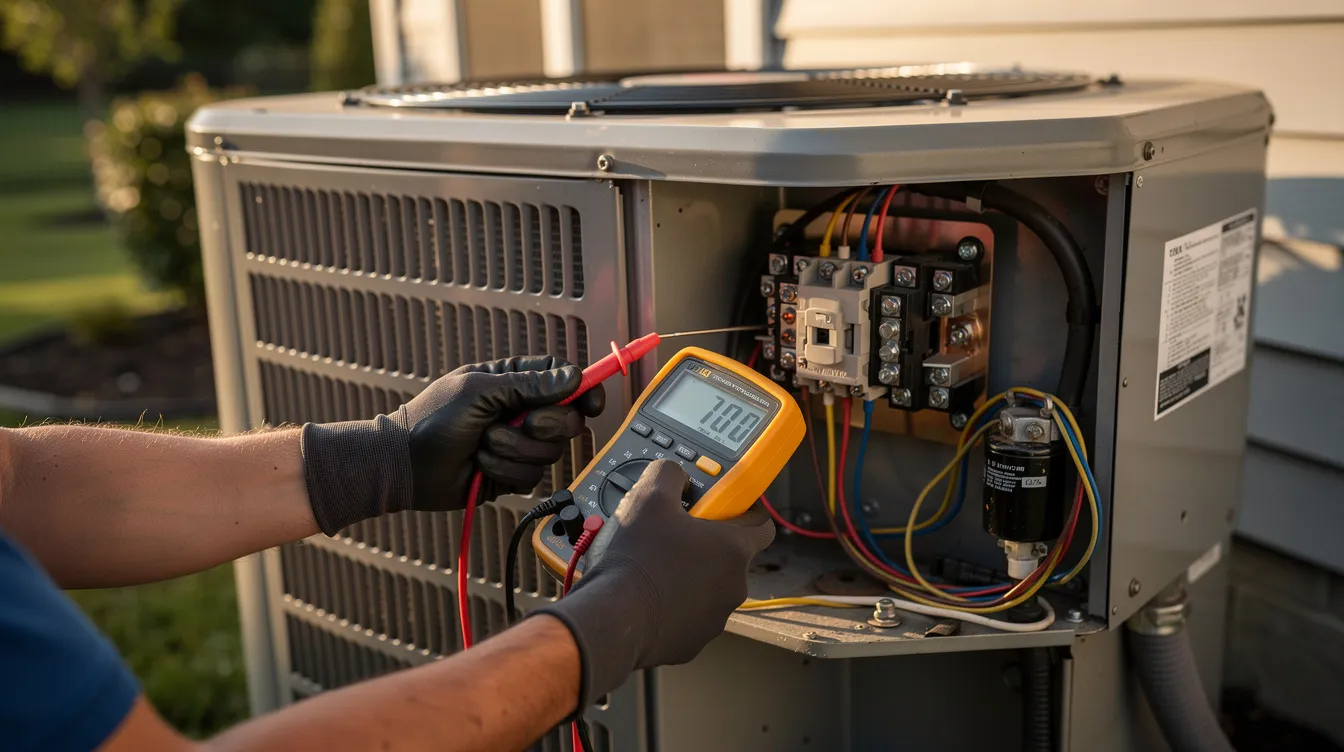
Symptoms include a condenser fan that won’t spin, clicking sounds at the outdoor units, or a breaker that trips every time the AC tries to start.
Typical causes:
- A failing compressor drawing excessive current
- Failed capacitor or bad contactor
- Seized condenser fan motor
- Wiring or electrical faults in aging infrastructure
Contractors should verify electrical infrastructure compatibility for modern cooling demands in historic homes. Many older electrical panels in the Garden District weren’t sized for modern HVAC loads.
If your AC breaker keeps tripping or you smell something burned, leave the system off and call New Orleans Mechanical Pros at 504-826-3775. Avoid repeatedly resetting breakers – that’s a safety risk, not a fix.
The Ductwork May Be the Problem, Not the AC Unit
Many Garden District comfort complaints trace back to ducts and returns, not the condenser or air handler. Duct inspections are a key part of New Orleans Mechanical Pros’ HVAC services in historic New Orleans neighborhoods.
Retrofitted Ductwork in Older Homes
Ducts in older homes often snake through narrow attics, under floors, or behind added soffits to avoid cutting into plaster walls and millwork. Common findings include:
- Very long duct runs with excessive bends
- Flexible duct additions with sharp turns or crushed sections
- Poorly sealed connections leaking conditioned air
- Damaged or missing duct insulation
- Undersized return ducts starving the system of airflow
These issues reduce performance, increase energy costs, and can raise ac repair costs over time if not corrected. Installation includes adjustments to existing ductwork if needed when systems are replaced.
Why Attic Duct Leakage Matters in New Orleans
During an Orleans summer, attic temperatures regularly exceed 120–140°F. Any duct leaks in that environment send cooled air into the hottest part of the house – and pull superheated air into the system.
Studies of older homes suggest that duct leakage rates of 10–20% are common, while acceptable leakage for ducts outside conditioned space is typically 4–6%. That gap translates directly into rooms that never cool, long runtimes, high electric bills, and sweating ducts that create moisture problems.
Sealing and insulating ducts can sometimes deliver better comfort improvements than upgrading equipment.
Signs Your Ductwork Needs to Be Inspected
Watch for these symptoms:
- One room never cools no matter what the thermostat says
- Noticeably weak airflow at certain registers
- Large temperature differences between rooms
- An AC that runs excessively long
- Visible duct damage, disconnections, or condensation around vents in the attic
New Orleans Mechanical Pros offers duct inspections and can recommend targeted duct repairs to improve overall air conditioning performance and indoor air quality.
Water Above a Historic Ceiling Is Something We Take Seriously
Picture this: a brown water stain slowly spreading across a detailed plaster ceiling beneath an attic air handler on Charles Avenue. That stain represents potential damage to irreplaceable finishes.
Even a small condensate leak can quickly damage plaster, custom millwork, original flooring, and insulation. In high humidity environments, a system that sweats internally or drains improperly can cause cumulative harm before anyone notices.
Possible sources:
- Clogged or improperly sloped drain lines
- Rusted or cracked drain pans
- Frozen coils thawing in large volumes
- Failed condensate pump
- Disconnected drain lines
- Condensation on poorly insulated ductwork
New Orleans Mechanical Pros traces leaks back to the source. Technicians should be skilled at diagnosing condensate line clogs and handling mold challenges – not every ceiling leak is “just a clogged drain.”
If water is actively dripping through a ceiling or near electrical components, shut the cooling system down and call 504-826-3775 immediately.
Repairing the AC Without Unnecessarily Damaging the House
Working in Garden District homes means protecting original features while solving mechanical problems. Many homes in the Garden District have high ceilings and original plaster requiring special care during HVAC work. New Orleans Mechanical Pros trains technicians to think about access, finishes, and cleanup – not just the equipment itself.
Access Matters
Before cutting or removing anything, technicians plan how to reach air handlers in tight closets, attic platforms, or behind access panels. Existing access points, removable panels, and specialized tools help avoid new holes in plaster whenever possible. Invasive work is a last resort, not a first step.
Protecting Floors, Plaster and Finished Areas
Jobsite practices include drop cloths on historic wood flooring, careful workmanship around plaster ceilings and crown molding, and dust control near original finishes. Attention extends to drain lines, thermostats, and registers mounted in original trim or decorative grilles.
New Orleans Mechanical Pros treats Garden District properties as long-term investments that must be protected during every air conditioning service visit.
Diagnose Before Opening Walls or Ceilings
Many AC problems – failed capacitors, a dirty coil, clogged drains – can be diagnosed and repaired directly at the equipment without cutting into finishes. The diagnostic sequence: check power, controls, airflow, refrigerant, and drainage before assuming a hidden line is broken inside a wall.
The philosophy is simple: find the mechanical problem first. Don’t start cutting into a historic home hoping to find one.
Should You Repair or Replace the AC in an Older Garden District Home?
This isn’t a simple age-based decision. New Orleans Mechanical Pros considers system condition, repair history, comfort, humidity control, and ductwork condition when advising Garden District clients on whether repair makes sense or replacement deserves the conversation.
When Repair May Make Sense
Common repairable items include:
- Failed capacitors or contactors ($150–$400)
- Thermostat issues ($175–$500)
- Drain problems
- Blower motor components ($300–$1,000)
- Correctable airflow restrictions
If the system otherwise performs well, controls humidity, and hasn’t suffered repeated breakdowns, targeted repairs can be highly cost-effective. New Orleans Mechanical Pros provides clear estimates and explains expected remaining life.
When Replacement Deserves Consideration
Consider ac replacement when:
- Breakdowns have occurred multiple times over the last 2–3 summers
- The compressor or evaporator coil has failed (a failing compressor alone can cost $1,200–$3,500+)
- The system uses obsolete refrigerant like R-22
- Humidity control remains poor despite repairs
- Energy bills are excessively high relative to square footage
Older AC systems may require replacement after 10–15 years, and AC replacement is often recommended for systems over 10 years old when major component failures arise. The average full system replacement in New Orleans runs approximately $7,712, but historic home constraints can push costs to $10,000 or more. Older AC systems often struggle during New Orleans’ long cooling season, and high-efficiency HVAC systems can reduce energy bills significantly while making a heat pump worth considering for energy efficiency and year-round indoor comfort. Proper installation improves comfort and reduces energy costs over the entire system’s lifespan, and some Garden District homes may also consider a heat pump when replacing older cooling equipment.
New Orleans homes often require high-efficiency AC systems – a high efficiency system with a better SEER2 rating pays back faster here than almost anywhere else in the country because the cooling season is so long.
Don’t Replace the Equipment Without Looking at the Duct System
A new system connected to old, leaky, or undersized ductwork rarely solves hot rooms, weak airflow, or high humidity. New Orleans Mechanical Pros evaluates ducts, returns, and register locations whenever recommending a new ac installation.
Sometimes modest duct corrections combined with a properly sized new unit will outperform a “bigger box” installed on bad ductwork. Don’t let anyone sell you a new system without first understanding what the ducts are doing.
Could a Ductless Mini-Split Make Sense in a Historic Home?
Ductless mini-split systems are popular for New Orleans homes, and they can be extremely useful in Garden District houses – but they aren’t the right answer everywhere.
Ideal applications:
- Converted attics or carriage houses
- Back stair halls or enclosed porches
- Rooms where adding conventional ductwork would require cutting through plaster or millwork
- Additions or rental suites without existing duct access
A ductless system uses small refrigerant lines instead of full ductwork, minimizing intrusion. Inverter-driven compressors adjust speed continuously, which helps humidity control.
Central air remains the better solution for whole-home cooling when decent ductwork already exists, or when aesthetics require minimal visible indoor units. New Orleans Mechanical Pros can design mixed systems – central air for most of the house plus a ductless mini for problem areas – as practical cooling solutions.
What About Exterior Condensers and Historic-District Requirements?
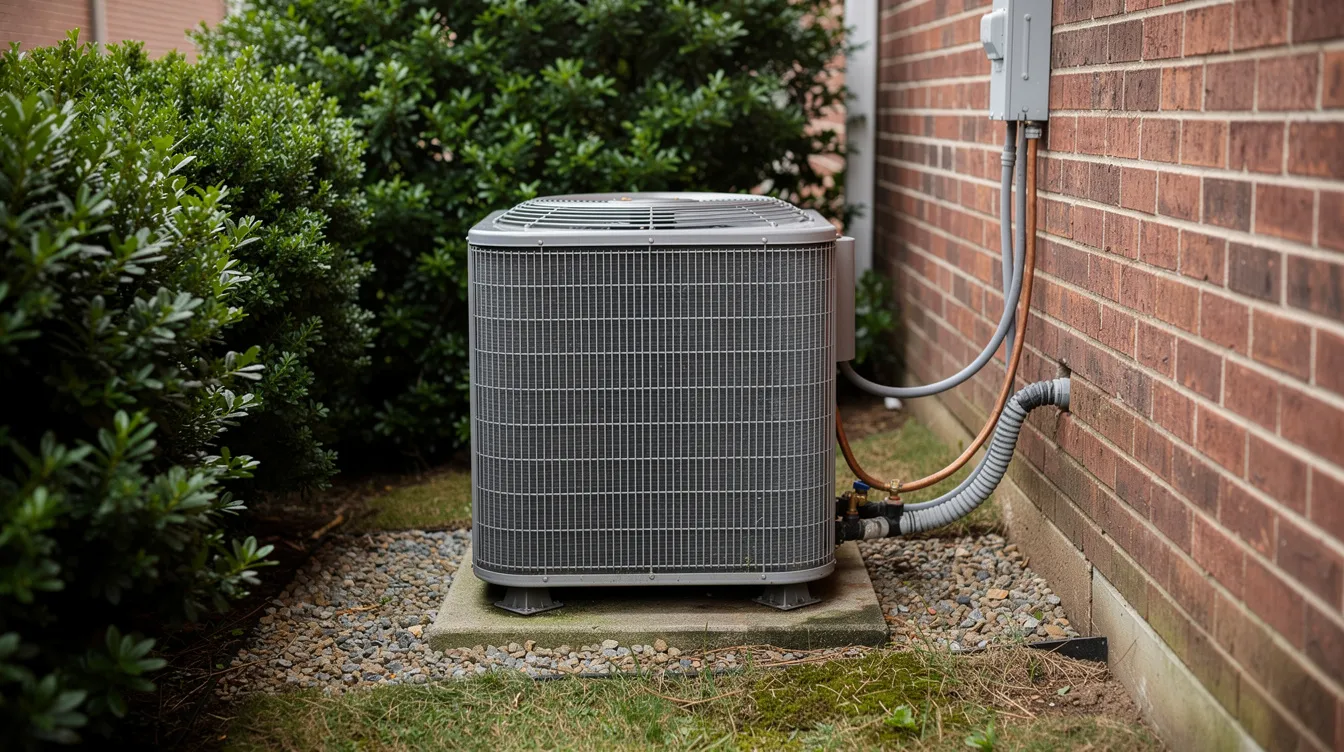
In Orleans Parish, historic-district requirements can affect where outdoor units are placed and how visible they can be from the street. The HDLC (Historic District Landmarks Commission) requires review of mechanical equipment visible from the public way, including condensers and wall-mounted equipment.
Repairing or replacing an existing condenser in the same location is generally treated differently from relocating or adding new visible equipment. Common practices include placing condensers in side yards, rear courtyards, or behind screening.
Homeowners should confirm current City of New Orleans and HDLC guidelines before moving or adding outdoor units. New Orleans Mechanical Pros can coordinate with your design or permitting team but does not issue code or permit interpretations – always verify rules directly with the city.
What New Orleans Mechanical Pros Checks During an AC Repair Call
This is how an actual service call works. It’s a process, not a guessing game.
We Start With the Homeowner’s Complaint
We ask what changed, when it started, which rooms are affected, and what the thermostat reads during typical New Orleans afternoons. This narrows likely causes before work begins and avoids unnecessary trial-and-error repairs.
Check Airflow
We inspect air filters, return grilles, supply registers, and blower motor performance. We measure temperature drop across the evaporator coil and compare airflow strength across rooms.
Inspect Drainage
We check the primary and secondary drain lines, pans, float switches, and condensate pumps – especially critical when the air handler sits above a finished ceiling. In New Orleans humidity, a properly working condensate system protects both indoor air quality and the structure itself.
Test Electrical Components
We test capacitors, contactors, fan motors, compressor circuits, and control wiring with appropriate instruments. All electrical work follows code and safety standards. We also look for signs of panel upgrades that may be needed if older electrical panels can’t handle current loads.
Check Coil and Refrigeration Performance
When symptoms point to refrigerant or coil problems, we measure pressures, superheat, and subcooling and inspect both indoor and outdoor coils. Any refrigerant-related repair is performed by licensed professionals following EPA regulations.
Look Beyond the Equipment
We evaluate duct condition, return sizing, equipment location, and general installation quality. This whole-system approach – looking at how the AC was fitted into the building – is especially important in complex Garden District homes where the equipment and the house don’t always cooperate.
Explain What Failed Before Discussing Replacement
A service call should not start with a sales pitch for a new system. Our technicians show homeowners what failed, why it failed, and what repair vs. replacement options exist. An accurate diagnosis comes first. We provide upfront explanations – sometimes with photos taken in the attic or at the unit – so homeowners can make informed decisions.
When Is an AC Problem an Emergency?
Not every AC issue requires a midnight call. But some situations in the New Orleans heat demand fast response. Emergency repairs in New Orleans are critical during summer heat waves due to health risks associated with AC failures. Fast service is crucial when AC systems fail in summer, particularly for elderly residents and families with children.
Call immediately for:
- Complete loss of cooling during dangerous heat
- Burning smell or smoke from the ac unit or electrical panel
- Repeated breaker trips
- Significant water leakage through ceilings
- Water near electrical equipment
- Severe overheating inside the home
Emergency repairs help prevent further damage to AC units and to the home itself. Emergency AC repair services are available 24/7 in New Orleans. AC repair is essential for New Orleans’ long cooling season – don’t wait when safety is at risk.
Need emergency ac repair in the Garden District? Call New Orleans Mechanical Pros at 504-826-3775 for current availability.
How Garden District Homeowners Can Reduce AC Problems
These are practical steps that lower breakdown risk, improve air quality, and help control repair costs over New Orleans’ long cooling season. Routine HVAC maintenance prevents unexpected breakdowns during summer and can extend the life of your system.
Change Filters Before They’re Completely Loaded
Check air filters monthly in New Orleans. Dust, pollen, and debris from older homes load filters faster than you’d expect. Clogged filters restrict airflow, cause frozen coils, stress compressors, increase bills, and degrade indoor air quality. Replace every one to three months depending on conditions.
Keep Outdoor Equipment Clear
Maintain at least two to three feet of clearance around condensers. Trim shrubs, remove leaves, and clear debris – especially after storms during hurricane season. A condenser boxed in by vegetation in a tight Garden District side yard can seriously reduce system performance.
Pay Attention to Condensate Drainage
Check for water around indoor units, in drain pans, or at visible drain lines at the start of peak summer. Call early if you see dripping, stains, or secondary drain discharges. Catching a drainage issue before it becomes a ceiling leak saves thousands.
Don’t Ignore Weak Airflow
Weak airflow in one or two rooms can signal duct problems, blower issues, or closed dampers. Schedule service before the hottest months if airflow seems to be declining rather than waiting for a total failure.
Have Recurring Water Problems Diagnosed
If a ceiling stain keeps returning or pans frequently fill, the underlying cause needs to be found – not just the symptom cleared. New Orleans Mechanical Pros looks for root causes like improper drain slopes, damaged pans, or insulation failures.
Address Duct Problems Instead of Compensating With a Bigger AC
Don’t “solve” comfort problems by installing oversized equipment on bad ducts. That typically worsens humidity control and short cycling. Have ducts inspected and balanced as part of any major ac repair or replacement project in Garden District homes.
Schedule Preventive Maintenance
Schedule at least annual HVAC service, ideally in spring before the cooling season ramps up. Routine maintenance helps keep your system running efficiently and regular maintenance prevents unexpected breakdowns during peak summer heat. Typical tune-up tasks include coil cleaning, electrical checks, drain-line flushing, refrigerant assessment, and general safety inspection. AC maintenance can extend the life of your system by years.
Frequently Asked Questions About Garden District AC Repair
Why isn’t my AC cooling my Garden District home?
Common causes include dirty coils, low refrigerant from leaks, duct leakage in hot attics, and systems that were improperly sized for the home’s volume and heat load. In historic homes, retrofit duct design often contributes more to poor cooling than the equipment itself. New Orleans Mechanical Pros evaluates both equipment and ductwork before suggesting cooling solutions.
Why does my upstairs stay hotter than downstairs?
Heat rises, and in Garden District homes with tall ceilings and attic ductwork, the upper floors absorb more heat while ducts in superheated attics lose cooling capacity. Insufficient return-air paths upstairs compound the problem. Options include duct improvements, balancing, or adding ductless mini units for upper floors.
Why does my AC run all day in New Orleans?
Long runtimes can be normal during July and August when temperatures exceed 95°F. But they can also indicate envelope leaks, dirty equipment, weak duct systems, or sizing issues. A professional evaluation separates normal operation from problems that need attention.
Why is my AC leaking water through the ceiling?
Likely causes include a clogged condensate drain, rusted drain pan, frozen coil thawing, or sweating ducts. In Garden District homes, the risk to historic plaster and woodwork is significant. Shut the unit off immediately and call for ac repair before water causes further damage.
Can old ductwork make a new AC perform poorly?
Yes. Leaky, undersized, or poorly routed ducts can cause hot rooms, unusual noises, and high bills even with brand-new central air equipment. Always evaluate ductwork before or during any system replacement.
Can central AC be repaired without damaging historic plaster?
Most repairs are completed at the equipment – at the air handler, condenser, or electrical panel – without creating new openings in walls or ceilings. New Orleans Mechanical Pros plans access carefully and treats cutting into finishes as a last resort. Careful workmanship protects your home.
Are mini-splits good for historic New Orleans homes?
Ductless mini systems are excellent for targeted rooms, additions, or areas without existing ducts. They require only small penetrations for refrigerant lines, avoiding large cuts into plaster walls or millwork. They’re less ideal for whole-home cooling when good ductwork already exists.
Should I repair or replace an older AC system?
Focus on system condition, reliability, comfort, and humidity control rather than age alone; replacement may also mean choosing a heat pump depending on the home’s needs. If repair costs approach 50% of replacement cost and the unit has had repeated failures, replacement may make more financial sense. New Orleans Mechanical Pros provides honest repair vs. replacement recommendations with no hidden fees.
Do I need approval to move an outdoor AC condenser in the Garden District?
Exterior changes in historic districts may fall under City of New Orleans or HDLC oversight. If you’re relocating or adding visible mechanical equipment, verify current rules before work begins. New Orleans Mechanical Pros can coordinate with your team but does not issue approvals.
Who repairs residential AC systems in the Garden District?
New Orleans Mechanical Pros provides ac repair, ac replacement, ductwork inspection, and maintenance for Garden District homes and greater New Orleans, LA. Verify that any contractor you consider holds proper credentials via the Louisiana State Licensing Board for Contractors and check company reviews and local community feedback to assess quality service.
Schedule AC Repair in the Garden District With New Orleans Mechanical Pros
Whether your system is blowing warm air, leaking water, freezing up, short cycling, running constantly, or refusing to start, New Orleans Mechanical Pros can diagnose the problem and explain your options. We serve the Garden District and Greater New Orleans with experienced technicians who understand the unique demands of historic homes. We’re not the only company offering HVAC services in New Orleans, but we bring careful workmanship, honest communication, and real expertise to every call – from Mid City to the French Quarter and everywhere in between.
New Orleans Mechanical Pros Veteran-Owned Louisiana Mechanical License #75402 Residential & Commercial HVAC Garden District & Greater New Orleans
Call: 504-826-3775
Having trouble with your AC in the Garden District? Call New Orleans Mechanical Pros at 504-826-3775 to schedule service or request a free estimate on major repairs, heating repair, or a new ac installation. We offer same day service when available and excellent service on every call. New Orleans residents and new Orleans homeowners can count on quality service, professional service, and an accurate diagnosis before any work begins.
Additional FAQs About AC Repair Garden District New Orleans
How quickly can you usually get to a Garden District AC repair call?
In most summer cases, New Orleans Mechanical Pros offers same-day or next-day availability, with priority given to no-cooling emergencies and active water leaks. Exact timing depends on call volume and time of day. Fast service is crucial when AC systems fail in New Orleans – we understand the urgency and schedule accordingly.
What should I do before the technician arrives?
If the system is freezing or leaking, turn the thermostat to “off.” Clear a path to indoor units and the breaker panel. Secure pets. No special preparation is needed beyond basic access – our technicians handle the rest.
How much do typical AC repairs cost in New Orleans?
Minor electrical parts like capacitors typically run $150–$400. Major repairs such as compressor or coil replacement range from $1,200 to $3,500+. AC repairs in New Orleans can have higher costs due to year-round demand. New Orleans Mechanical Pros provides written, upfront pricing so you know the repair costs before work begins – no hidden fees. Look for companies that provide upfront pricing to avoid unexpected costs during HVAC repairs.
Do you offer maintenance plans for Garden District homeowners?
Yes. We offer preventive maintenance options including seasonal tune-ups, priority scheduling, and discounts on certain repairs. An AC maintenance plan lowers operating costs and keeps your system ready for New Orleans’ demanding cooling season. Schedule service before summer to stay ahead of problems.
Can you help improve my home’s air quality along with AC repairs?
New Orleans Mechanical Pros can address filtration, duct cleanliness, and humidity control as part of a broader plan to improve indoor air quality while handling air conditioning repairs. We offer indoor air quality services that work alongside your existing cooling system to create a healthier environment inside your home.