New Orleans Restaurant HVAC: What Every Food Service Operator Needs to Know
Running a restaurant in New Orleans means dealing with extreme kitchen heat, grease-laden exhaust air, and the constant threat of HVAC failure during your busiest service. Here's what you need to know.
The Complete HVAC Guide for New Orleans Restaurants
Running a restaurant in New Orleans means managing one of the most demanding HVAC environments in the country. Commercial kitchens generate enormous heat loads, exhaust systems must meet health code requirements, and dining room comfort directly affects customer satisfaction and revenue. This guide covers everything restaurant owners need to know about HVAC in New Orleans.
Kitchen Exhaust and Makeup Air Systems
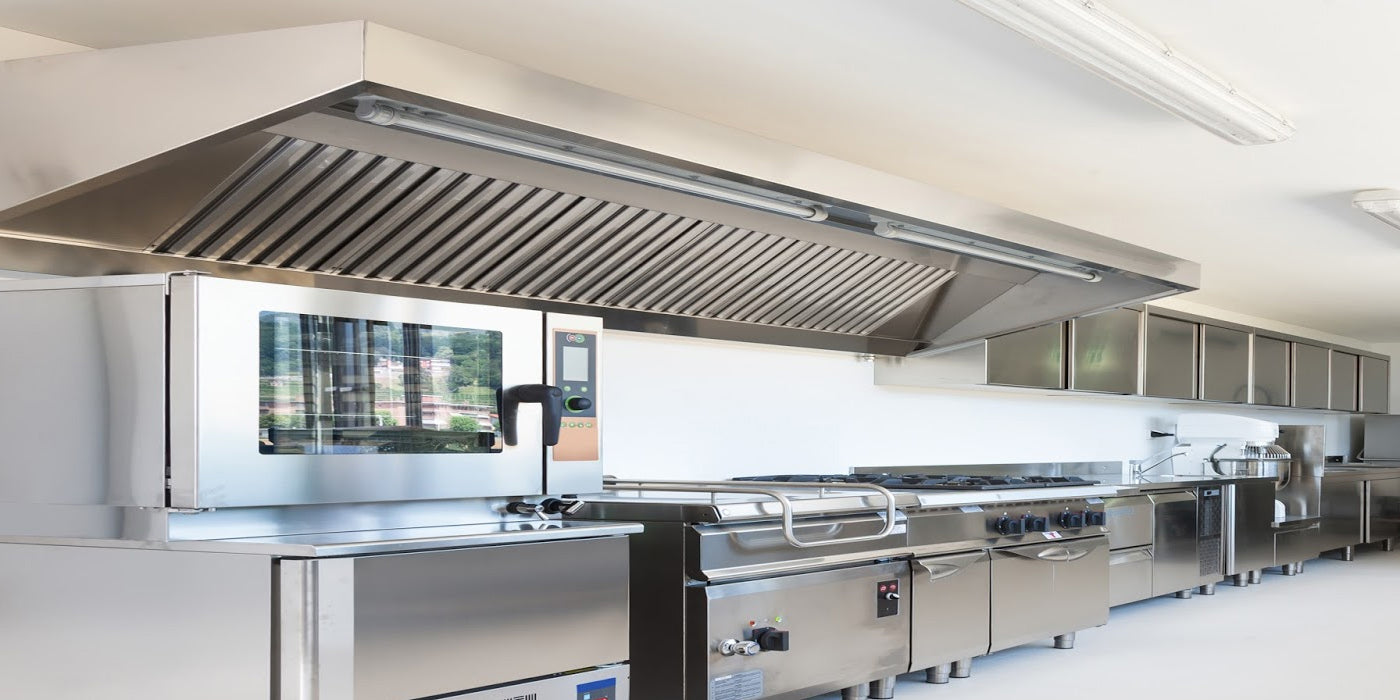
Louisiana's state fire marshal and New Orleans health department require properly sized exhaust hoods over all cooking equipment. Makeup air systems replace the exhausted air to maintain pressure balance and prevent back-drafting. Our commercial HVAC team designs and installs code-compliant exhaust and makeup air systems for restaurants of all sizes.
Dining Room Comfort: Balancing Heat, Humidity, and Odors
Diners in New Orleans expect comfortable temperatures even in August. Proper zoning separates the kitchen heat load from the dining room, and dedicated indoor air quality systems control odors and maintain fresh air exchange rates required by code. Our restaurant HVAC services page details the full scope of what we offer.
Refrigeration: Walk-Ins, Reach-Ins, and Ice Machines
See our dedicated guide on commercial kitchen refrigeration for New Orleans restaurants for a deep dive into walk-in cooler maintenance, ice machine service, and blast chiller installation.
Related Resources
For New Orleans restaurant owners, understanding your HVAC system is paramount to maintaining a comfortable, safe, and compliant environment. Effective restaurant HVAC, particularly in a city known for its intense heat and humidity, is crucial for managing kitchen exhaust, ensuring proper make-up air, and adhering to strict health codes. This guide will equip food service operators with the essential knowledge to navigate the complexities of commercial HVAC, from proper sizing to energy efficiency, all tailored to the unique challenges of the Crescent City.The Unique Demands of Restaurant HVAC in New Orleans
The Critical Role of HVAC in Food Service Success
In the bustling culinary scene of New Orleans, where kitchens operate at high temperatures and humidity levels are consistently elevated, a robust and efficient HVAC system is not merely a comfort amenity—it's a cornerstone of operational success. Beyond keeping diners and staff comfortable, specialized restaurant HVAC systems are vital for maintaining air quality, preventing grease buildup, and ensuring compliance with stringent health and safety regulations. A well-designed system actively contributes to a positive dining experience, protects expensive kitchen equipment, and significantly impacts energy consumption, directly affecting a restaurant's bottom line.
Navigating New Orleans' Challenging Climate
New Orleans presents a unique set of environmental challenges for HVAC systems. The city's subtropical climate is characterized by prolonged periods of high heat and oppressive humidity, especially during the long summer months. This constant battle against moisture not only strains cooling systems but also exacerbates issues like mold growth and equipment corrosion. Furthermore, the salt-laden air from the nearby Gulf Coast can accelerate wear and tear on outdoor units, while the annual hurricane season demands systems that can withstand extreme weather conditions and maintain functionality during critical periods. Addressing these factors requires a specialized approach to HVAC design, installation, and maintenance, ensuring systems are resilient and effective against the elements.
Understanding Commercial Kitchen Exhaust Systems
The Indispensable Role of Exhaust Hoods and Fans
At the heart of every commercial kitchen's ventilation strategy are the exhaust hoods and fans. These systems are designed to capture and remove heat, smoke, grease vapors, and cooking odors generated by stoves, fryers, and ovens. Without an effective exhaust system, these byproducts would quickly accumulate, creating an uncomfortable, unhealthy, and potentially hazardous environment. Modern exhaust hoods are engineered to maximize capture efficiency, often incorporating advanced filtration technologies to minimize grease accumulation in ductwork and reduce fire risks. The proper selection and placement of exhaust fans are equally critical, as they must be powerful enough to move large volumes of air while operating efficiently.
Health Code Compliance and Air Quality in NOLA
For New Orleans restaurants, adherence to local health codes regarding kitchen ventilation is non-negotiable. The New Orleans Health Department, like other municipal authorities, enforces strict guidelines to ensure public safety and hygiene. These regulations typically dictate minimum airflow rates, hood dimensions, filtration requirements, and regular cleaning schedules for exhaust systems. Failure to comply can result in significant fines, operational shutdowns, and damage to a restaurant's reputation. Beyond legal compliance, a well-maintained exhaust system is paramount for indoor air quality, protecting both staff from respiratory issues caused by airborne contaminants and diners from unpleasant odors. Regular inspections and maintenance, often performed by NATE-certified technicians, are essential to ensure continuous compliance and optimal air quality.
Common Issues and Maintenance for Exhaust Systems
Commercial kitchen exhaust systems, due to their constant exposure to grease and high temperatures, are prone to several common issues. These include grease buildup in ducts and fans, leading to reduced airflow and increased fire risk; motor failures in exhaust fans; and issues with fire suppression systems integrated into the hoods. Regular preventative maintenance is crucial to mitigate these problems. This typically involves routine cleaning of hoods, filters, and ductwork, inspection of fan motors and belts, and verification of fire suppression system functionality. Neglecting maintenance can lead to costly repairs, decreased system efficiency, and potential health code violations. New Orleans Mechanical Pros, with 17 years of experience, emphasizes proactive maintenance to keep these critical systems running smoothly, especially given the city's humid climate which can accelerate corrosion and wear.
The Criticality of Make-Up Air Systems
Why Make-Up Air is Essential for System Balance
While exhaust systems remove air from the kitchen, make-up air systems are equally vital for maintaining proper air balance within the restaurant. As hot, greasy air is expelled, an equal volume of fresh, conditioned air must be introduced to prevent negative pressure. Without adequate make-up air, exhaust fans struggle to operate efficiently, doors become difficult to open, and unconditioned air can be drawn in from unintended sources, such as restrooms or dining areas, leading to uncomfortable drafts and increased energy costs. A properly designed make-up air system ensures that the air removed by exhaust is replaced with tempered, filtered air, maintaining a comfortable and stable indoor environment throughout the entire establishment.
Sizing and Installation Considerations for NOLA Restaurants
Sizing a make-up air unit for a New Orleans restaurant requires careful consideration of several factors, including the volume of air being exhausted, the size of the kitchen, and the specific climate conditions. Given the high humidity of the Gulf Coast, make-up air units in NOLA often require advanced dehumidification capabilities to prevent the introduction of moist air that could overwhelm the existing HVAC system and lead to uncomfortable conditions or even mold growth. Installation must also account for the unique architectural styles of New Orleans, from historic homes converted into restaurants in the Garden District to modern establishments in the Central Business District. Proper ductwork design and placement are essential to ensure even distribution of conditioned air without creating drafts or interfering with the dining experience. Our NATE-certified technicians are adept at designing and installing systems that meet these specific local demands.
Impact on Comfort and Energy Efficiency
The direct impact of a well-functioning make-up air system on both comfort and energy efficiency cannot be overstated. By introducing conditioned air, it prevents uncomfortable temperature fluctuations and drafts in both the kitchen and dining areas. More importantly, it allows the primary HVAC system to operate as intended, without the added burden of conditioning uncontrolled infiltration air. This leads to significant energy savings, as the HVAC system doesn't have to work overtime to compensate for imbalances. Conversely, an improperly sized or malfunctioning make-up air system can drastically increase energy consumption, as the restaurant's main AC struggles to cool and dehumidify the influx of hot, humid outside air. Investing in an optimized make-up air system is a smart financial decision for any New Orleans food service operator.
Commercial HVAC Sizing and Selection for Restaurants
Factors Influencing HVAC Sizing
Accurate HVAC sizing is critical for any commercial establishment, but especially for restaurants with their unique heat loads. Factors influencing sizing include the square footage of the space, ceiling heights, insulation levels, window exposure, and the number of occupants. Crucially for restaurants, the heat generated by kitchen equipment (ovens, fryers, griddles), refrigeration units, and even lighting must be meticulously calculated. The high occupancy rates during peak dining hours also contribute significantly to the cooling load. An undersized system will struggle to maintain comfort, leading to high energy bills and frequent breakdowns, while an oversized system will cycle too frequently, causing uneven temperatures, excessive humidity, and premature wear. Our 17 years of experience in Greater New Orleans has given us unparalleled expertise in precise load calculations for the diverse restaurant landscape.
Specific Challenges in Historic New Orleans Buildings
New Orleans is renowned for its historic architecture, from the Creole cottages of the French Quarter to the grand mansions of the Garden District. While charming, these older buildings present significant challenges for modern HVAC installations. Limited space for ductwork, lack of insulation, single-pane windows, and preservation restrictions often complicate the process. Integrating efficient commercial HVAC systems into these structures requires creative solutions, such as mini-split systems, careful zoning, and custom duct fabrication to minimize aesthetic impact while maximizing performance. New Orleans Mechanical Pros specializes in navigating these complexities, ensuring that even the most historic establishments receive cutting-edge climate control without compromising their architectural integrity. We understand the nuances of working within Orleans Parish and Jefferson Parish's historical guidelines.
Energy-Efficient Solutions for Cost Savings
In an industry with tight margins, energy efficiency is a top priority for restaurant owners. Modern commercial HVAC systems offer a range of energy-efficient solutions that can lead to substantial cost savings over time. These include variable refrigerant flow (VRF) systems, which allow for precise temperature control in different zones; high-efficiency chillers and rooftop units; and advanced control systems that optimize operation based on occupancy and external conditions. Investing in ENERGY STAR® certified equipment can reduce energy consumption by 10-30% compared to standard models. Furthermore, regular maintenance by NATE-certified technicians ensures these systems operate at peak efficiency, preventing energy waste. Exploring options like these can significantly lower operational expenses, especially with the high energy demands of a commercial kitchen in a hot climate.
Navigating Health Codes and Regulations in New Orleans
Key Health Department Requirements for HVAC
Operating a restaurant in New Orleans means adhering to a strict set of health codes, many of which directly impact HVAC systems. The New Orleans Health Department mandates specific requirements for ventilation, air filtration, and temperature control to prevent foodborne illnesses and ensure a sanitary environment. Key areas of focus include adequate exhaust for cooking equipment, proper make-up air to prevent negative pressure, and maintaining appropriate temperatures in food storage and preparation areas. Systems must be designed to prevent the accumulation of grease and condensation, which can harbor bacteria. Regular cleaning and maintenance records are often required during inspections, underscoring the importance of a proactive approach to HVAC management. Our team is well-versed in these local regulations, ensuring your system is always up to code.
Permitting and Inspection Process
Undertaking any significant HVAC installation or modification in New Orleans typically involves a permitting and inspection process. This ensures that all work complies with local building codes, mechanical codes, and health department regulations. The process usually begins with submitting detailed plans to the city's permitting office, followed by various inspections at different stages of the project—from rough-in to final commissioning. Navigating this bureaucratic landscape can be complex, especially for those unfamiliar with local requirements. New Orleans Mechanical Pros assists restaurant owners throughout this process, from initial design and permit application to final inspection, ensuring a smooth and compliant installation. Our experience working on projects near landmarks like the Superdome and Audubon Park means we understand the local administrative landscape.
Avoiding Common Violations
Common health code violations related to HVAC in New Orleans restaurants often stem from inadequate ventilation, neglected maintenance, or improper system design. These can include insufficient exhaust for cooking fumes, leading to smoke and grease buildup; lack of proper make-up air, causing negative pressure and drawing in unconditioned, unfiltered air; and failure to maintain consistent temperatures in critical areas. Another frequent issue is the accumulation of grease in exhaust hoods and ductwork, posing both a fire hazard and a sanitation risk. Proactive measures, such as regular professional cleaning, scheduled preventative maintenance, and ensuring your system is correctly sized and installed from the outset, are the best ways to avoid these costly and reputation-damaging violations. Our NATE-certified technicians are trained to identify and rectify potential issues before they become compliance problems.
Maintaining Optimal Performance in a Gulf Coast Climate
Impact of High Humidity and Salt Air on HVAC Systems
The Gulf Coast climate, particularly in New Orleans, poses significant challenges to HVAC system longevity and performance. The persistently high humidity levels (often exceeding 70-80% for extended periods) force air conditioning units to work harder to remove moisture from the air, leading to increased energy consumption and accelerated wear on components. This moisture also creates an ideal environment for mold and mildew growth within ductwork and coils, impacting air quality. Furthermore, the salt-laden air from the nearby Mississippi River and Gulf of Mexico is highly corrosive, attacking metal components of outdoor units, coils, and electrical connections. Without proper protection and regular maintenance, these elements can drastically shorten the lifespan of an HVAC system and lead to frequent breakdowns. Learn more about our AC repair services in New Orleans.
Preparing for Hurricane Season: HVAC Considerations
New Orleans residents are acutely aware of hurricane season, and restaurant owners must take proactive steps to protect their HVAC investments. Before a storm, it's crucial to secure outdoor units, disconnect power to prevent electrical surges, and ensure all drainage systems are clear. After a hurricane, thorough inspection for damage, water intrusion, and electrical issues is paramount before restarting any equipment. The prolonged power outages that often follow major storms also highlight the importance of having a robust maintenance plan to ensure systems are in optimal condition to handle the post-storm recovery. New Orleans Mechanical Pros offers pre- and post-hurricane HVAC checks to help businesses prepare and recover, drawing on our 17 years of experience serving the Greater New Orleans area through countless storm seasons.
Preventative Maintenance Schedules
Given the harsh New Orleans climate and the demanding nature of restaurant operations, a rigorous preventative maintenance schedule is not just recommended—it's essential. Regular maintenance, typically performed quarterly or bi-annually for commercial systems, includes cleaning coils, checking refrigerant levels, inspecting electrical components, lubricating moving parts, and verifying thermostat calibration. This proactive approach helps identify minor issues before they escalate into major, costly breakdowns, improves energy efficiency, extends the lifespan of the equipment, and ensures continuous compliance with health codes. Our NATE-certified technicians provide comprehensive maintenance plans tailored to the specific needs of New Orleans restaurants, ensuring your system operates reliably year-round. Discover our comprehensive HVAC maintenance plans.
Energy Efficiency Strategies for Restaurant HVAC
Advanced Technologies and Smart Controls
Embracing advanced HVAC technologies and smart controls can significantly enhance energy efficiency in New Orleans restaurants. Variable speed motors, for instance, adjust fan speeds to match demand, reducing energy consumption compared to single-speed units. Demand-controlled ventilation systems use CO2 sensors to modulate outdoor air intake based on occupancy, preventing unnecessary conditioning of excess outside air. Smart thermostats and building management systems (BMS) allow for precise scheduling, remote monitoring, and optimization of HVAC operations, often integrating with other building systems for holistic energy management. These technologies not only reduce energy bills but also improve comfort and operational control. Consider upgrading your system for long-term savings; explore our commercial HVAC installation services.
Rebates and Incentives for NOLA Businesses
New Orleans businesses looking to upgrade to more energy-efficient HVAC systems may be eligible for various rebates and incentives. Local utility companies, such as Entergy New Orleans, often offer programs to encourage commercial customers to invest in energy-saving equipment. These can include rebates for high-efficiency AC units, smart thermostats, and insulation upgrades. Federal tax credits and grants may also be available for certain energy-efficient improvements. Researching and leveraging these programs can significantly offset the upfront costs of new installations, making energy-efficient upgrades more financially viable. Our team can help identify applicable incentives and guide you through the application process, ensuring you maximize your savings.
Long-Term Cost Savings and Sustainability
Beyond immediate rebates, the long-term cost savings from energy-efficient HVAC systems are substantial. Reduced energy consumption directly translates to lower monthly utility bills, a significant operational expense for restaurants. Furthermore, modern, well-maintained systems tend to have fewer breakdowns, leading to reduced repair costs and less downtime. From a sustainability perspective, lowering energy usage decreases a restaurant's carbon footprint, appealing to an increasingly environmentally conscious customer base. Investing in energy-efficient HVAC is not just about compliance or comfort; it's a strategic decision that contributes to the financial health and environmental responsibility of your New Orleans restaurant for years to come.
Conclusion: Partnering with New Orleans Mechanical Pros
Navigating the complex world of restaurant HVAC in New Orleans requires expertise, local knowledge, and a commitment to excellence. From the relentless humidity of the Gulf Coast to the strict health codes governing kitchen operations, every aspect demands a specialized approach. New Orleans Mechanical Pros, with 17 years of dedicated service to the Greater New Orleans area and a team of NATE-certified technicians, stands ready to be your trusted partner. Our LA license #75402 is a testament to our adherence to the highest industry standards. We understand the unique challenges faced by establishments from the historic French Quarter to the vibrant Bywater, and we are committed to providing solutions that ensure comfort, compliance, and energy efficiency.
Don't let HVAC issues compromise your restaurant's success. Contact New Orleans Mechanical Pros today for a free consultation to discuss your specific needs and discover how our expertise can benefit your business. We're here to ensure your kitchen runs smoothly and your diners enjoy a perfectly conditioned environment, even on the hottest New Orleans days. Request a free consultation now!
Frequently Asked Questions
Q1: What are the most common HVAC issues for New Orleans restaurants?
A1: New Orleans restaurants frequently encounter issues such as inadequate cooling due to high heat and humidity, grease buildup in exhaust systems leading to fire hazards and reduced airflow, and problems with make-up air systems causing negative pressure and uncomfortable drafts. Corrosion from salt air and strain from continuous operation in a demanding climate also contribute to common breakdowns.
Q2: How often should a restaurant's HVAC system be serviced in New Orleans?
A2: Given the intense climate and heavy usage, commercial restaurant HVAC systems in New Orleans should ideally undergo preventative maintenance quarterly. At a minimum, a bi-annual service schedule is recommended to ensure optimal performance, energy efficiency, and compliance with health regulations, especially for critical components like exhaust and make-up air units.
Q3: What are the health code requirements for kitchen ventilation in NOLA?
A3: The New Orleans Health Department mandates specific requirements for kitchen ventilation, including adequate exhaust hood coverage and airflow rates to remove heat, smoke, and grease. Proper make-up air is also required to balance air pressure. Systems must be regularly cleaned to prevent grease accumulation, and fire suppression systems within hoods must be functional and inspected. Compliance is crucial to avoid fines and operational disruptions.
Q4: Can energy-efficient HVAC systems really save money in a busy restaurant?
A4: Absolutely. While the initial investment might be higher, energy-efficient HVAC systems can lead to significant long-term savings for busy New Orleans restaurants. Technologies like variable refrigerant flow (VRF) systems, high-efficiency units, and smart controls reduce energy consumption by optimizing performance. These savings, combined with potential rebates and reduced repair costs due to better system health, can result in a substantial return on investment over the system's lifespan.
Q5: Why is make-up air so important for a commercial kitchen?
A5: Make-up air is crucial for commercial kitchens because it replaces the air exhausted by ventilation systems, preventing negative pressure. Without it, exhaust fans become inefficient, doors are hard to open, and unconditioned air infiltrates from undesirable areas. A properly designed make-up air system ensures balanced air pressure, introduces tempered and filtered air, improves comfort, and allows the primary HVAC system to operate efficiently, saving energy and maintaining air quality.